


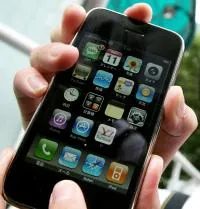
Touch screens are no longer just a novelty. they are everywhere. As prices have fallen over the past decade, they’ve moved from the laboratory to the living room. However, the technology behind the glass surface is very different. This is not a separate invention. These are three different systems competing for dominance.
If you want to know how your device converts finger presses into digital clicks, you need to look at the sensor. The three main candidates are resistive films, capacitive films and surface acoustic wave (SAW) technology. Each has a different mechanism. Each has different advantages and disadvantages. Understanding this difference can explain why older tablets feel different from modern smartphones.
The Resistive Approach
电阻屏是the old guard。 它们在坚固耐用或经济型设备中也最常见。 结构简单。 玻璃面板位于柔性透明导电层下方。 另一个导电层位于其上方。 这两层由微小的间隔物隔开。
当您按下屏幕时,您会迫使顶层向下,直到它接触到底层。 这样就完成了一个电路。 当显示器打开时,电流会流经两层。 接触点改变了该特定点的电场。
计算机计算坐标。 驱动程序将这些坐标转换为单击或拖动命令,就像鼠标一样。
这种方法有一个巨大的优势:它适用于任何事物。 您可以使用手写笔、戴手套的手,甚至是橡皮球。 只要两层接触,屏幕就会记录输入。
然而,电阻式屏幕存在清晰度问题。 多层阻挡光线。 屏幕的亮度只有大约 75% 能够透过。 图像看起来稍微暗淡一些。 随着时间的推移,尖锐的物体也会损坏顶层。 然而,它们仍然是最便宜的选择。
The Capacitive Standard
当今几乎所有智能手机都采用电容技术。 它的工作原理不同。 它依靠的不是压力,而是电荷。
导电层在玻璃表面存储电荷。 你的身体是导电的。 当您用手指触摸屏幕时,电荷会从屏幕转移到您的身体。 该特定点的电荷减少。
显示器每个角的电路都会测量这种损耗。 通过比较四个角的相对电荷差异,系统可以精确定位您触摸的确切位置。 然后,触摸屏驱动程序将此数据转发给操作系统。
结果是图像更加清晰。 电容屏可传输近 90% 的光线。 与电阻面板相比,这是一个明显的差异。 图片更清晰了。 Colors pop more。
有一个问题。 电容屏通常只响应传导输入。 你的手指起作用了。 橡皮球则不然。 您通常需要裸露的皮肤或专门设计来模拟电容的手写笔。 这个限制就是为什么你不能戴着厚手套使用电容屏。
Surface Acoustic Wave Precision
Surface acoustic wave systems are less common in consumer electronics, but are important in industrial and high-end displays. They offer the highest clarity of the three methods.
This system uses a sensor and reflector mounted on a glass panel. The transducer emits sound waves. Another receives them. Reflectors reflect waves back and forth along the X and Y axes. This ultrasonic wave causes the glass to vibrate.
When you touch the screen, sound energy is absorbed. Receiving sensors detect disturbances immediately. Calculates the contact location based on when and where the wave was interrupted.
SAW screens achieve 100% light transmission because they do not have a metal layer that hinders visibility. The clarity of the image is perfect. No deterioration. This makes it ideal for displaying detailed graphics when visual fidelity is important.
Like resistive films, SAW systems can be activated by a variety of objects. Almost anything can disrupt the waves enough to detect contact. The exception is small, hard objects such as pencil points, which may not block the waves sufficiently.
Choosing the right technology
The choice between these systems is ultimately a compromise. Price, clarity and input method are decisive factors.
Resistive is the budget choice. It can withstand high pressure, but the brightness is low and can damage the layer. Suitable for industrial controls that require the use of gloves or a pen.
Capacitive technology provides the balance most consumers want. It offers high clarity and responsive touch. It has become a standard for mobile devices because it supports multi-touch gestures that are difficult to handle natively on resistive or SAW displays.
Surface acoustic waves offer the best visual experience. It is expensive to manufacture, which limits its use. However, it is still a good choice for applications where image quality cannot be ignored.
As displays develop, hybrid solutions keep appearing. But the basic physics of how we interact with glass has not changed. We are still pressing, touching, and absorbing energy. The technology just gets better at listening.
常见问题
屏幕如何记录触摸?
屏幕使用触摸敏感层来检测输入。 在电容系统中,该层含有电荷,当手指等导电物体接触时,电荷会发生变化。 在电阻系统中,物理压力迫使两个导电层结合在一起以形成电路。
为什么触摸屏这么准确?
精度来自于传感器网格的密度和驱动软件的处理速度。 现代电容式传感器可以检测高分辨率矩阵中电容的微小变化,以亚毫米精度精确定位位置。


