Open your inbox. Ten messages in. All junk. One from a Nigerian prince. One for a pill you didn’t ask for. One disguised as a delivery notification. It’s exhausting. And it’s not just bad luck. It’s infrastructure.
Where does the noise come from? The FBI estimates a massive chunk originates from networked zombie computers. These aren’t ghosts. They’re your neighbor’s PC. Or your boss’s server. Or your own laptop, sitting idle, doing the bidding of a criminal you’ll never meet.
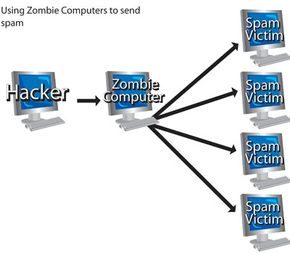
If spam came from one place, we’d fix it. Shut down the ISP. Sue the user. Simple. But spammers don’t work that way. They use zombie computers as proxies. This puts the cracker one step removed from the crime scene. A single operator can command a botnet to blast millions of messages daily. The source shifts with every click. Tracking it is like chasing smoke.
The Business of Junk
Why build a spam botnet? It’s a service. Some are built to deliver viruses. Or Trojans. Infect as many machines as possible. Others are for phishing. Tricks to steal your password, your bank details, your identity.
But the real engine is advertising. Crackers rent out these networks. Hourly rates. No questions asked. Clients pay to send intrusive, often illegal ads to thousands of people. They don’t care about the collateral damage. They care about the click.
Why You Can’t Stop It
Most recipients never trace the source. You block one address. The spam continues. Just a different zombie in the botnet. It feels personal. It’s not. It’s automated.
Then there’s the “unsubscribe” trap. That link at the bottom? “Click here to be removed.” Don’t. It confirms your email is active. It tells the spammer you’re human. You’re vulnerable. You’re now on a premium list.
Even if you’re tech-savvy, tracing the sender is a nightmare. You might see the IP. But that IP belongs to a compromised machine. Is it one user sending spam? Or a remote controller pulling strings? Hard to tell. Time-consuming, too. Most people give up.
The Unaware Participant
How do you know if you’re infected? Look at your outbox. Is it full of messages you didn’t write? Did someone complain about receiving your spam? Maybe. But most owners remain blissfully unaware.
Some don’t care. It’s not their problem. Others just lack the defenses. No updates. Weak passwords. Free software bundles. They become part of the army without knowing it.
Bot vs. Zombie: What’s in a Name?
Some experts argue “zombie” is the wrong term. A zombie has no consciousness. Acts on instinct. A zombie computer behaves normally. Runs your apps. Plays your music. Every action follows a cracker’s instructions. Even if automated.
So, why not call it a bot? Short for robot. A device executing specific commands. A network of bots is a botnet. A group of zombie computers is an army.
The terminology shifts. The threat doesn’t.
“A collection of networked bots is called a botnet.”
The distinction matters less than the scale. Millions of machines. One mind. Your inbox is just the battlefield.
Next up: Distributed Denial of Service (DDoS) attacks. Where the botnet turns on the infrastructure itself. Breaking servers. Halting services. Making the internet slower, for everyone.
But that’s a story for another day. For now, keep your email client closed. And your eyes open.