Qobuz is more than just a music app. This is a music lover’s escape in the middle of a sea of compressed noise.
Spotify is about convenience, Deezer is about sales and Qobuz is about loyalty. This platform is unique in that it offers a library delivered as fully uncompressed high-resolution audio. This means that you can listen not only to the Stream, but also to the audio. The recording you are listening to will be played exactly as you heard it. Launched in 2007, the service created a reputation in Europe for equally valuing diversity and sound clarity.
The difference is technical. Qobuz uses lossless formats such as FLAC 24-Bit. This is important because lossy compression removes data to save space. Qobuz keeps it. This distinction is important to listeners who care about the subtle echo of a jazz club or the texture of a rock guitar.
Why Qobuz attracts discerning listeners
Choosing a streaming service often depends on the size of your list. Qobuz is different. It’s all about immersion.
The library covers all genres. Classical. Rock. Jazz. Electronic. The platform often highlights exclusive releases and editorial picks from experts who truly understand music history. Emerging artists are featured alongside established giants. But the real attraction is the model itself.
Qobuz allows you to download songs and albums legally. You own these files. This is not a rental. You can use these files offline, transfer them to another device and listen to them without an internet connection. Treat your music as an asset, not just something to drink while you scroll.
Privacy, transparency and user management
Business models avoid noise.
No annoying ads. The algorithm does not push unwanted content. The subscription terms are clear. This builds trust. Qobuz respects user privacy and places technology accessibility at the center of the experience.
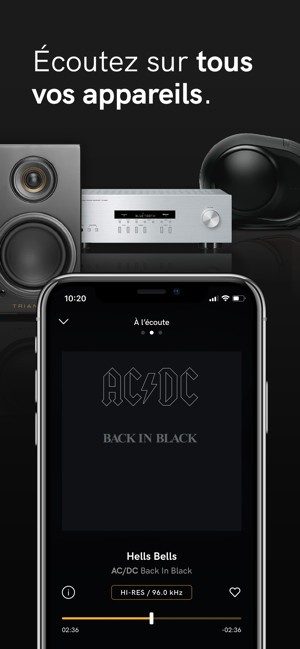
The user interface is very clean. This is intuitive. Organize your music library, create playlists and explore new sounds without worrying about clutter. Works on PC, Mac, tablets and smartphones. The network player does not require software installation. This cross-platform compatibility means that Qobuz adapts to how users actually listen, rather than forcing them into a specific ecosystem.
Where to get Qobuz and how to install it
Getting started takes no guesswork.
The download page is available on the official website of Qobuz. You can also find it from trusted technology partners such as Futura-Sciences. This process is standardized across all devices.
Desktop installation
For Windows users, the application supports 32-bit and 64-bit systems. Compatible with Windows XP – Windows 11 operating systems. macOS users can choose between Intel processors or Apple Silicon.
The installation is guided by a wizard. You agree to these terms. Select the destination folder. This will take a few minutes. Once installed, the app will set the best possible audio quality based on your current bandwidth. You can change these settings later.
Mobile and network connection
Android and iOS users download the app from Google Play or the Apple Store. Log in with your credentials. Done.
If you don’t want to install software, the web player works with modern browsers. It handles streaming directly from the server.
Smart home integration
Qobuz will never get stuck on your screen. Integrate into your home audio system. You can stream to devices that support Chromecast, AirPlay or certain smart speakers. This makes the living room a high-quality listening space.
Optimize high resolution audio settings
Installation is just the beginning.
This app includes advanced controls for avid listeners. You can adjust the audio encoding manually. You can manage offline listening cache settings. You can optimize parameters for specific hardware, such as high-end DACs, external amplifiers and standard headphones.
If you encounter any problems, Qobuz offers online support and detailed resources. Troubleshooting installation problems or usage errors is easy.
The goal is simplicity. You want to hear the music, not debug the software.
This approach ensures that technical barriers never get in the way of artistic barriers. The sound is ready. The files are clean. The user interface is quiet.
Just press play.
Qobuz is more than just a streaming app. This is a platform built for people who really care about how their music sounds. The service offers a tiered subscription approach designed to meet the needs of everyone from casual listeners to audiophiles with expensive equipment.
A free trial is available. It has a time limit but is fully functional. Check out the full list. Test high-quality playback on any device. However, there are limits. You cannot download files for offline listening. Additional features are locked. This is pure demo mode.
Which Qobuz plan suits your needs?
The paid levels are divided into individual and family options. The difference is the simultaneous connections and listening volume. All paid plans include unlimited CD or Hi-Res quality streaming. You can manage playlists. Get expert editorial commentary. You can buy music and download it in HD.
Students get a deal. You need valid proof of enrollment. There are also options for families and businesses. Prices change. Features are still evolving. The only way to get accurate and up-to-date information is to check the official Qobuz website directly. Transparency is part of their model.
One of the biggest advantages is choice. You can stream forever or buy forever. If you buy a song, you become the owner of the file. Store it on your preferred drive. Listen offline. No internet needed. There are no orders. It’s just an audio file.
There are no ads. This is critical for immersion. There will be no interruptions. The experience is clean. You can manage renewals or cancellations through your personal account. There are no hidden fees. There are no long-term contracts. This flexibility builds trust.
Optimize your high definition streaming experience
The most important thing is the sound quality. But Qobuz goes even further in terms of technical depth. Provides extensive documentation for audio enthusiasts. An interactive guide to optimizing listening. Explain library management. Read more about integration with other software and hardware.
Connect an external DAC. Use networked stations. Qobuz supports professional audio players. Regularly updating the application ensures compatibility with the latest operating systems. Improves security. Ergonomics refine.
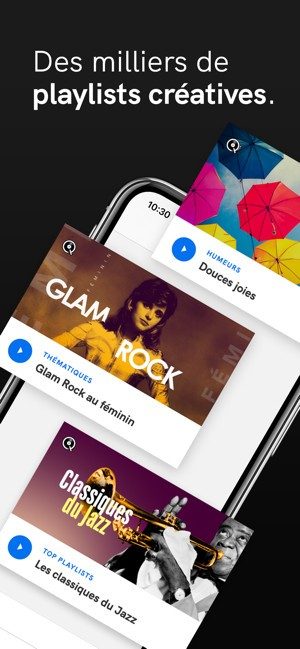
The library is well maintained. Organize albums. Rate tracks. Follow your favorite artists. Subscribe to expert-curated playlists. These are not randomized algorithms. They’re curated by editorial staff.
Advanced users get advanced support. Configure high-resolution audio streaming up to 192kHz/24-bit. Identify connected devices. Sync playback across different platforms. This technical openness makes Qobuz a partner for both Hi-Fi enthusiasts and audio professionals.
Support, Community and Legacy Access
Qobuz doesn’t offer official certifications. You won’t get a diploma for mastering their system. Instead, they host webinars. Tutorials are available. Online conferences occur regularly. The goal is community education.
The help center covers essentials. Transfer playlists from other services. Manage metadata. Back up the downloaded content. If you encounter any problems, please contact support. Or join the dedicated discussion forum. Share your tips. Solve technical problems quickly.
What if the hardware is old? Retro compatibility exists. Do you need an older version of the software? Contact technical support. Check the official archive. Stability is important in certain configurations.
Ecosystems are constantly evolving. Devices change. Expectations rise. Qobuz adapts. It remains the benchmark for high-quality music streaming. It’s not because it’s the cheapest. But because it respects the music. And the listener.
So, are you streaming for convenience or buying permanently? The answer might depend on your setup. And your budget. In any case, the file is there. Waiting.
Qobuz system requirements and supported formats
Before using the Qobuz desktop app or mobile client, you should check if your hardware can actually handle audio pipes. It’s not just about hard drive capacity. The question is whether the DAC, network and operating system can transfer 24-bit/192kHz FLAC files seamlessly.
Qobuz, operated by Xandrie SA, is at the intersection of streaming and digital ownership. Access requires a paid subscription, but you can also buy tracks outright and keep them forever. The app itself has strong compatibility. It works on Windows 32-bit and 64-bit systems originating from Windows XP. macOS users have full support for Intel chips and the new Apple Silicon architecture. Mobile users aren’t far behind either, with native clients available for Android and iOS/iPadOS. If you refuse to install the software, the web player will still work correctly in modern browsers.
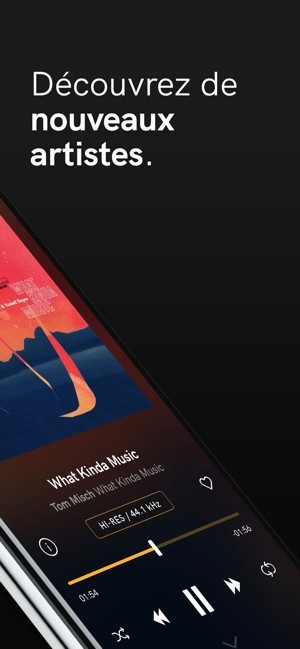
The main attraction here is the audio data. We are talking about lossless FLAC. The standard quality of a CD is 16 bits/44.1 kHz. But if you want to hear the engineer’s voice, Qobuz offers high-resolution audio up to 24-bit/192kHz stereo. The file size will increase significantly. Offline listening is supported in the app and is tied to your subscription level. You can also download your purchased files permanently.
For streaming, the platform supports Chromecast and AirPlay. If you have a UPnP/DLNA compatible receiver, connect it directly. External USB DACs, connected speakers and amplifiers are all good options. The user interface is multilingual, and the main options are French and English. Streaming and syncing your library does not require an internet connection, but of course playing these local offline files does not require an internet connection. Synchronization of libraries works seamlessly on different devices. Storage requirements vary greatly depending on the number of high-resolution tracks in your collection.
Why Qobuz stands out in the streaming market
If audio is non-negotiable, it makes sense to download Qobuz. This platform doesn’t hide behind algorithmic playlists designed to keep you scrolling. Focus on the context. Content editing is strict. Many albums offer a selection of topics, notes and a digital booklet. It’s not just background noise. This is a call to listen carefully.
This ecosystem bridges the gap between renting music and owning music. Play high-res FLAC tracks today and buy tomorrow to add to your permanent collection. The everyday experience is determined by accuracy. Audio settings are clear and easy to adjust based on current network bandwidth. Offline mode for mobile devices is very powerful. Playback without delay. Metadata processing is strict. Artists, versions and editions are all logically organized. No more overlapping tracks cluttering up your music library.
Its strength is its integration with home audio devices. Streaming to Chromecast or AirPlay is easy. Connecting to high-end Hi-Fi systems via UPnP/DLNA simplifies the workflow. On the desktop, the application uses high-quality audio output. Designed for people who actually use an external DAC. Experience real performance with a free trial.
However, there are also some trade-offs. High resolution streaming consumes bandwidth. Offline mode consumes storage space. These suggestions are editorial, not algorithmic. If you want a playlist that reflects your mood in real time, Qobuz can feel formal. This is good for curious listeners who want to be guided by a human instead of code. The price reflects the quality. They tend to cost more than entry-level services that focus on volume over fidelity. Due to contracts with record companies, some albums have not been released. Advanced features may require initial setup. Qobuz is a consistent choice for enthusiasts with great gear. The catalog is huge. The tools are precise. The listening experience is intentional.
Whether this intention is worth the high price depends on your ears. And your wallet.
The Real Cost of Switching
Vendor lock-in is more than just a buzzword that consultants try to justify their hourly rates. This is a structural reality. When choosing a platform, aren’t just renting software. You accept a certain ecosystem. One where your data lives in a format they control. These APIs define how systems communicate with each other. Retirement was more than just a layoff, it became a logistical nightmare.
Promises of “cloud first” often mask the true cost of migration. Transferring ownership of terabytes from closed systems takes time. It takes engineering hours. This requires risk-taking. Most companies underestimate this friction. They sign the deal. They build their own infrastructure. Then I realized that changing the service provider would require rebuilding the entire data pipeline from scratch. That’s not agility. This is a trap.
Open Standards as a Shield
This is why open standards are important. These are more than just technology preferences. They are survival strategies. With CSV, JSON and SQL formats, your data is yours. Even if the vendor disappears. Even if the price triples. You can export your records. You can import them elsewhere. You retain leverage.
Proprietary formats do the opposite. Without the original vendor key, you will not be able to access your history. This creates a power imbalance in favor of the service provider. You become dependent. Not because you want to. However, the technical debt related to the conversion was too large to manage.
“The only real competitive advantage in a monopoly market is the transferability of information.”
Why It Matters for Everyday Users
You might think this only affects CTOs. It doesn’t. It affects everyone. As social media platforms change their algorithms, visibility changes. When the document editor changes file structures, the old files become corrupted. If the smart home hub stops supporting the protocol, the lights will no longer work.
The lack of interoperability creates a disjointed experience. You’re forced to use multiple apps to do one job. You need to upgrade your hardware because your software no longer supports your older device. This is not an innovation. This is planned obsolescence disguised as progress.
The future is interoperable
The push for interoperability isn’t new. But it’s gaining traction. EU regulations are forcing big tech companies to open up their walled gardens. APIs are becoming standardized. Users are demanding control. This change didn’t happen because the sellers wanted to look good. This happens because the market is saturated with hostages.
For small businesses, this is a lifeline. This will help you choose the best solution. Integrating the tool requires no custom code. You can scale without being tied to one service provider. For individuals, this means privacy. It means ownership. This means freedom to leave.
我们该何去何从?
过渡不会顺利。 遗留系统会抵制。 习惯很难打破。 但方向是明确的。 开放取胜。 并不是因为它在道德上优越。 但因为它是可持续的。 封闭的系统最终会在自身重量的作用下崩溃。 太复杂了。 灵活性太差。
那么,下一步是什么? 给供应商带来更大的压力。 更多地采用开放协议。 用户的更多意识。 科技行业正处于十字路口。 它可以沿着围墙花园的小路继续前行。 或者它可以搭建桥梁。 选择权是我们的。 时钟正在滴答作响。