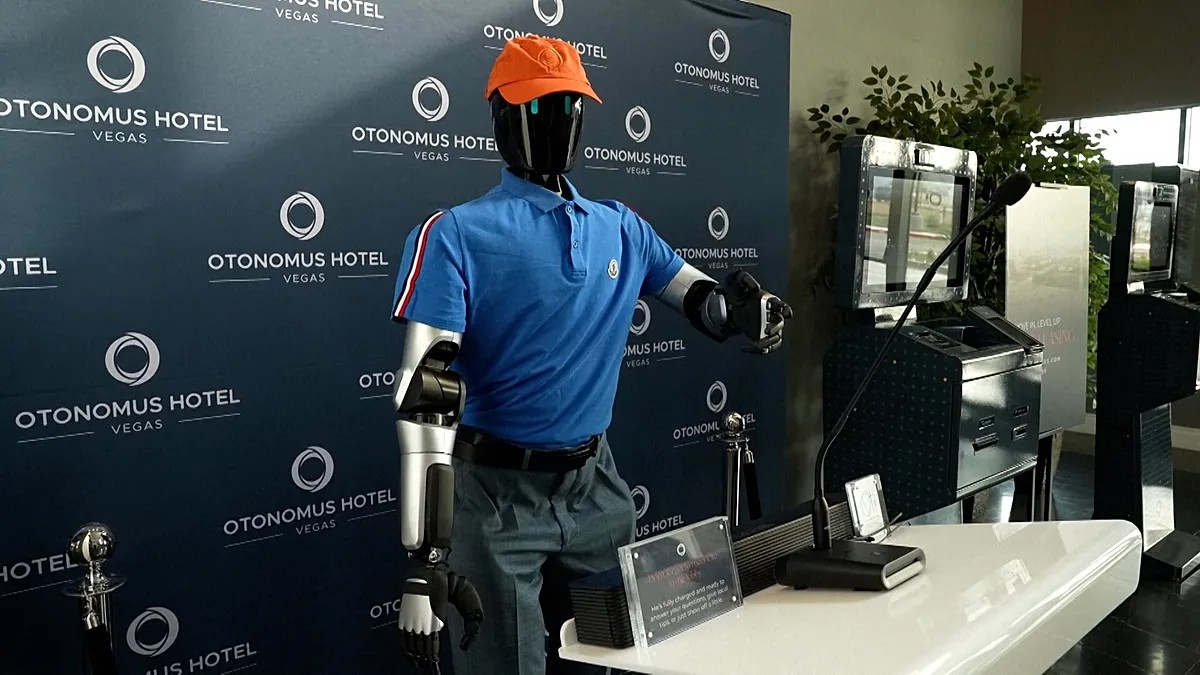
Las Vegas, known for pushing boundaries in entertainment and hospitality, now features the world’s first fully AI-powered hotel: Otonomous. The centerpiece? Oto, a humanoid robot serving as the “Chief Vibes Officer” – a role far beyond traditional concierge duties.
Redefining Guest Services with Artificial Intelligence
At Otonomous, human interaction is minimized. Guests check in entirely digitally via smartphone ID uploads and room access through QR codes. This automation extends to nearly every aspect of the hotel experience. The purpose isn’t just efficiency; it’s personalization on an unprecedented scale.
According to founder Philippe Ziade, Oto isn’t meant to replace human staff, but to offer something more: a proactive, data-driven connection with guests.
“We want him to be your best friend – understanding everything about you,” Ziade stated.
Beyond Basic Assistance: Oto’s Capabilities
Oto handles standard concierge tasks like housekeeping requests and restaurant recommendations. However, its capabilities extend into more personal territory. The robot engages in conversation, provides emotional support, and even offers relationship advice.
This is deliberate. Unlike voice assistants like Alexa or Siri, Oto has a programmed “personality” and opinions. It’s designed to feel more human, more relatable. The robot, developed by IntBot, reportedly speaks over 50 languages with a polite English accent.
Data-Driven Personalization: The Key to Otonomous
The system isn’t just about automation; it’s about data collection. Oto tracks guest preferences in real-time – from salad orders to coffee habits, even personal life issues. This information is used to refine the guest experience further, creating a hyper-personalized stay.
As Ziade explains, Oto essentially knows everything about each guest:
“He’s everything, in real time, for everybody.”
The Future of Hospitality?
While currently confined to the lobby, Oto represents a potential shift in the hospitality industry. The Otonomous Hotel demonstrates how AI can move beyond simple automation to create immersive, personalized experiences. Whether this model becomes widespread remains to be seen, but it signals a clear direction: the future of hotels may rely as much on AI as on human interaction.