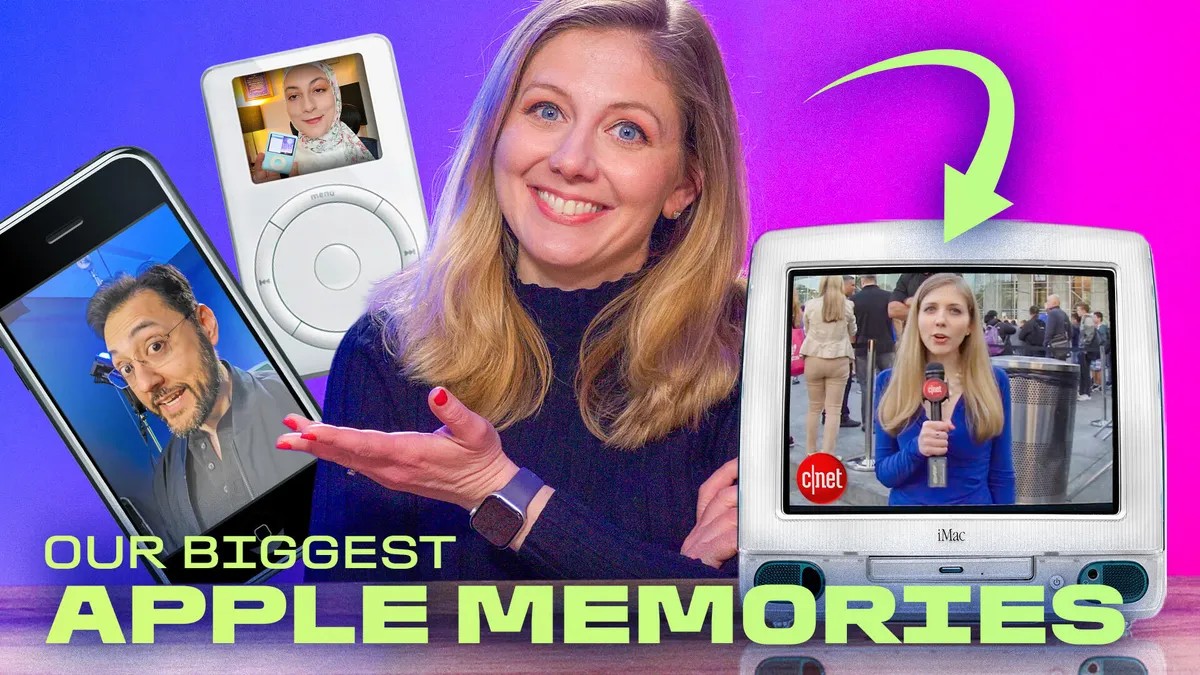
For half a century, Apple has not just made technology—it has reshaped how we interact with it. This week marks Apple’s 50th anniversary, and the story isn’t just about products; it’s about how those products have woven themselves into our collective memory and daily lives.
The Early Days: A Shift in Computing
Apple’s early impact came from making computers accessible. The Apple IIe, with its distinctive beige case and 5.25-inch floppy disk drive, wasn’t just a machine; it was a gateway for an entire generation. Many first encountered digital life booting up Oregon Trail in school computer labs. The significance is clear: Apple didn’t just sell hardware; it introduced a generation to the power of personal computing. Now, that same game is available on Apple Arcade, illustrating how the company continues to bridge past and future.
From Skepticism to Staple: AirPods and the Apple Watch
The evolution of perception surrounding Apple products is striking. Take AirPods, initially ridiculed for their design, now ubiquitous in public spaces. Similarly, the Apple Watch, once seen as a luxury gadget, is now considered essential by many for health tracking, notifications, and communication. This shift reveals something bigger: Apple excels not just at innovation but also at normalizing it. The company doesn’t just create products; it cultivates acceptance through design, marketing, and a carefully constructed ecosystem.
A Community Forged in Tech: The Human Side of Apple
Apple Stores have become more than retail spaces; they’re gathering points for tech enthusiasts and, at times, places of collective mourning. When Steve Jobs died in 2011, Apple Stores became impromptu memorials, demonstrating the company’s unusual ability to foster a deeply personal connection with its customer base. This is a testament to Apple’s brand identity: it isn’t just about the devices; it’s about the culture surrounding them.
The Next 50 Years: Longevity in a Fast-Paced Industry
Few companies reach a century of operation, but Apple’s trajectory suggests it has a real chance. The key to this longevity lies in its continuous adaptation, from the Macintosh era to the current dominance in mobile and wearables. Looking ahead, Apple’s ability to redefine categories—as it did with smartphones and wireless audio—will determine its staying power.
Apple’s story isn’t just about technological milestones; it’s about how a company can become synonymous with innovation, community, and a fundamentally new way of interacting with the world. Whether the next 50 years will be as transformative remains to be seen, but the foundation is already laid.