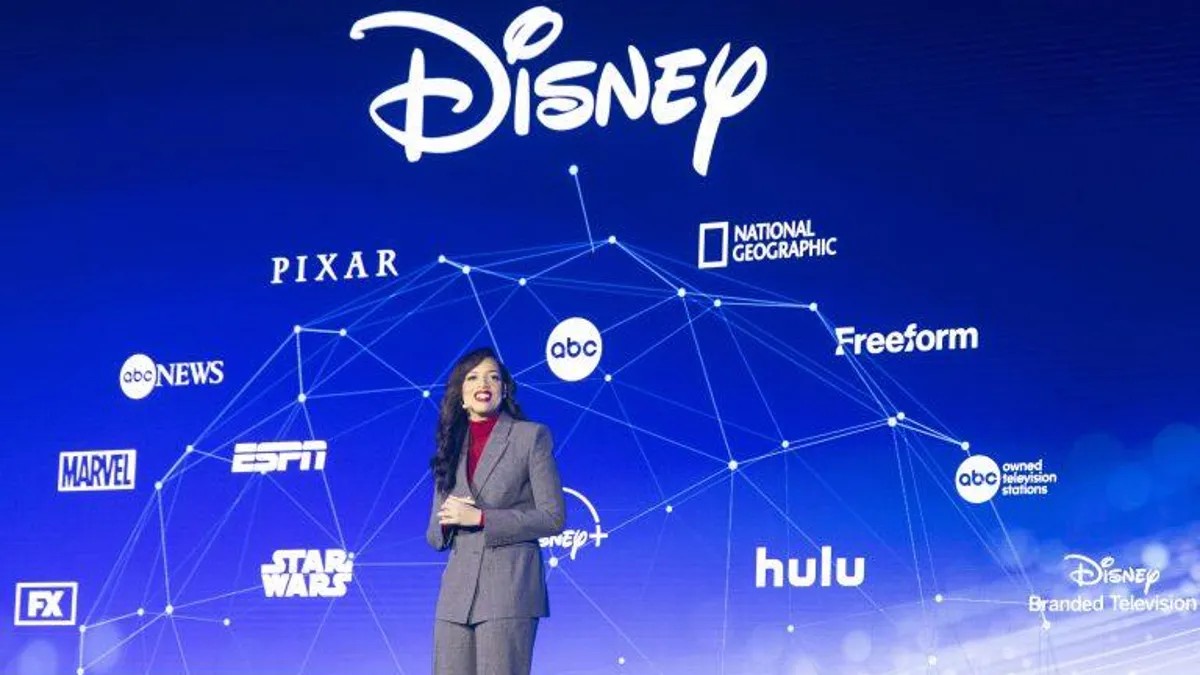
Disney is expanding into short-form vertical video within its Disney Plus streaming service, following a successful test run on its ESPN platform. The move, announced at CES 2026, is a clear attempt to capture the attention of younger audiences accustomed to platforms like TikTok and Instagram Reels.
Adapting to Changing Viewing Habits
Executives at Disney are betting that bite-sized content will drive daily engagement with the Disney Plus app. This shift reflects broader trends in media consumption: attention spans are shrinking, and mobile-first video formats are dominating how many people—especially younger demographics—consume entertainment. The company’s plan includes original shorts, repurposed social media clips, and edited scenes from its extensive library of TV shows and movies.
Why This Matters
Disney’s decision isn’t just about following a trend. Streaming services are locked in a fierce battle for user retention, and short-form video is one way to keep subscribers coming back. The goal is to create a daily habit, turning Disney Plus into more than just a destination for long-form content—but a regular part of viewers’ daily routines.
This strategy also opens new avenues for advertising revenue. Vertical videos are inherently ad-friendly, offering brands more opportunities to reach engaged audiences. The company highlighted tools for its advertising partners at CES, suggesting a significant revenue component to this rollout.
The Executive View
Erin Teague, Disney’s executive vice president for product management, emphasized the desire for creating “bite-sized experiences.” Teague, formerly of YouTube, brings expertise in short-form video to the company, and her involvement signals Disney’s seriousness about this format.
Disney is fundamentally reshaping how people consume its content. The long-term impact could be significant, as short-form video may become a central feature of the Disney Plus experience.
The move to vertical videos is a recognition that streaming services must adapt to the way audiences now want to consume content: quickly, on mobile devices, and in short bursts.