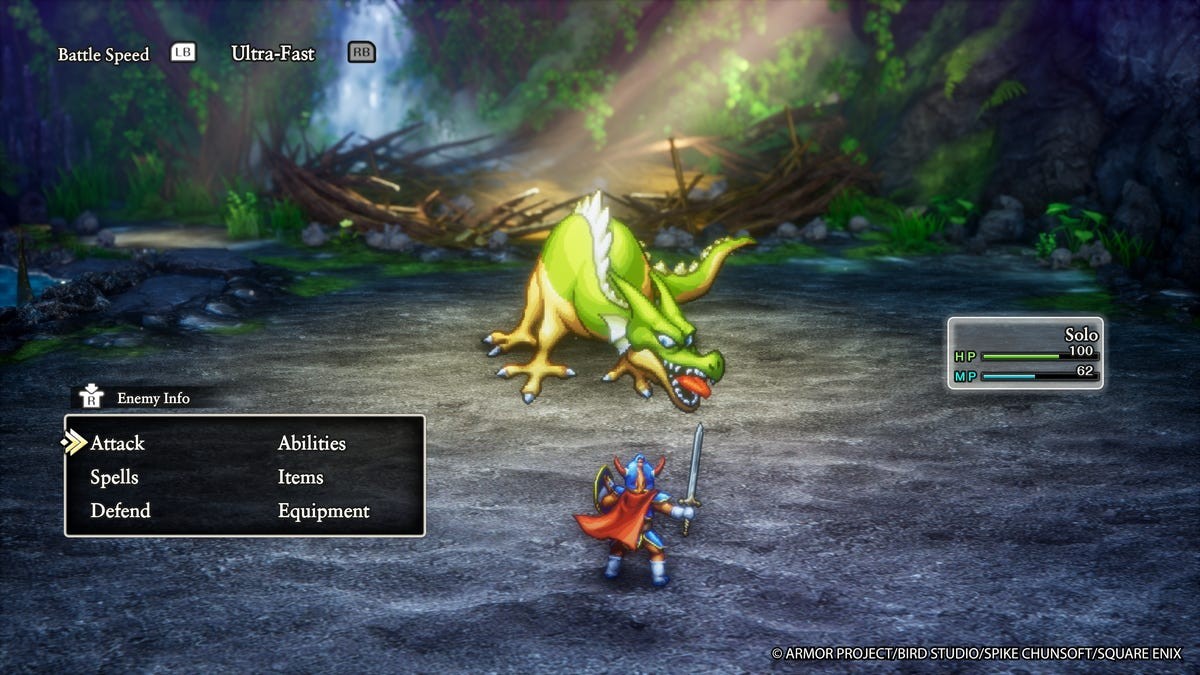
The legacy of Dragon Quest, a cornerstone of the Japanese role-playing game (JRPG) genre, is finally getting the attention it deserves in the West. As the franchise approaches its 40th anniversary in the US (where it was originally titled Dragon Warrior ), the HD-2D remake of Dragon Quest 1 & 2 offers both veterans and newcomers a chance to experience gaming history. Released on October 30th for PC and current consoles, this version enhances the original with quality-of-life improvements and a striking visual update.
The HD-2D Revolution
The HD-2D style—pioneered by titles like Octopath Traveler and Triangle Strategy —has become a signature aesthetic for modernizing classic RPGs. Producer Masaaki Hayasaka, instrumental in developing this approach, explains that the goal isn’t mere nostalgia; it’s about creating a unique blend of retro and contemporary sensibilities.
Hayasaka, who grew up playing Dragon Quest 7, deliberately sought to honor the older 2D pixel art style while subtly integrating 3D elements. This isn’t about strict emulation like some indie titles; it’s about creating depth through dynamic effects – moving dust particles, floating leaves, and realistic shadows – all within a 2D framework. He likened the effect to a “miniature garden,” where depth is suggested without abandoning the core 2D aesthetic.
Why HD-2D Works
The key to success isn’t just graphics, but preserving the feel of the original games. The HD-2D approach isn’t about replacing old mechanics with new ones; it’s about refining them. The Dragon Quest 3 HD-2D Remake proved this, offering optional streamlining features that allow players to experience the game at their preferred pace. The Dragon Quest 1 & 2 remake builds on this, adding features like visible treasure chests and toggleable hidden spots to enhance exploration without sacrificing authenticity.
The orchestral soundtrack, another hallmark of this style, further elevates the experience. Hayasaka credits the initial success of Octopath Traveler with solidifying the orchestral approach as a natural fit for HD-2D visuals.
What Sets Dragon Quest Apart
Unlike many modern RPGs with complex party systems, the original Dragon Quest featured a single hero, a novelty that still feels refreshing today. This unique structure, combined with the HD-2D treatment, makes it an accessible entry point for new players while offering a nostalgic experience for veterans.
The remakes aren’t just about updating graphics; they’re about thoughtfully adapting storylines while retaining the core essence of the original titles. This contrasts with other remakes, such as Final Fantasy 7 Rebirth, which took a more expansive and reimagined approach. The HD-2D remakes strike a balance between preservation and modernization, delivering a respectful yet refined experience.
The Future of HD-2D
Hayasaka acknowledges the high demand for an HD-2D version of Chrono Trigger but notes potential rights issues would make it challenging. His personal pick for the next HD-2D remake? Final Fantasy 6, a title he believes would flourish in the visual style.
The HD-2D approach has evolved into a cohesive house style, one that effectively bridges the gap between classic gaming and modern sensibilities. By focusing on quality-of-life improvements, orchestrated music, and lush 2D graphics, Hayasaka and his team have crafted a formula for successfully reviving older titles for a new generation.