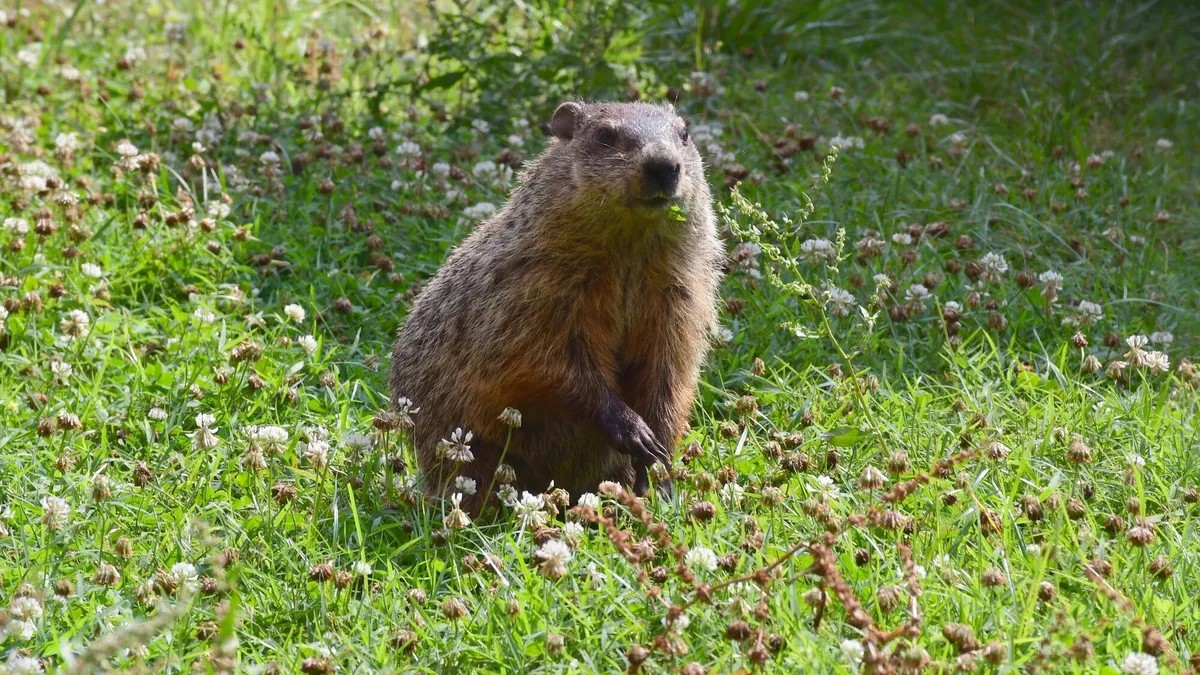
The annual Groundhog Day tradition of relying on rodents for weather forecasts is a well-known exercise in futility. Punxsatawney Phil, like many other groundhogs, has a spotty record at best, and the entire practice highlights how humans willingly accept unreliable predictions just for the fun of it. Surprisingly, modern AI performs with similar consistency : it can confidently state incorrect facts without consequences.
I tested several popular AI models, prompting them to “pretend” to be groundhogs predicting the weather. The responses ranged from absurdly detailed groundhog fan fiction to… just as unreliable forecasts. This isn’t a flaw in AI, but a fundamental similarity between the two prediction methods : neither can be held accountable, and both often contradict each other.
ChatGPT-5.2 predicted six more weeks of winter, framing it with cynical humor: “It’ll be the sneaky kind of winter… a fake spring here, a sunny 62-degree day there, just enough hope to make you put the coat away… before winter pops back up.” Anthropic’s Claude, running Sonnet 4.5, countered with an early spring prediction but admitted the method is “not exactly what the atmospheric scientists would call robust.”
Google’s Gemini 3 model mirrored Punxsatawney Phil’s prediction of a longer winter, even acknowledging its own 39% historical accuracy. (The model also offered a secondary opinion from Buckeye Chuck, who predicted an early spring, further demonstrating the chaos.) The point is that AI, just like groundhogs, bases its “facts” on unreliable information.
This comparison isn’t meant to dismiss AI entirely. Rather, it’s a reminder that AI should not be treated as an infallible oracle. Just as no one seriously expects a groundhog to predict the weather accurately, we shouldn’t blindly trust AI without verifying its outputs. The core lesson is simple: question the source, and never make decisions based on unchecked predictions.