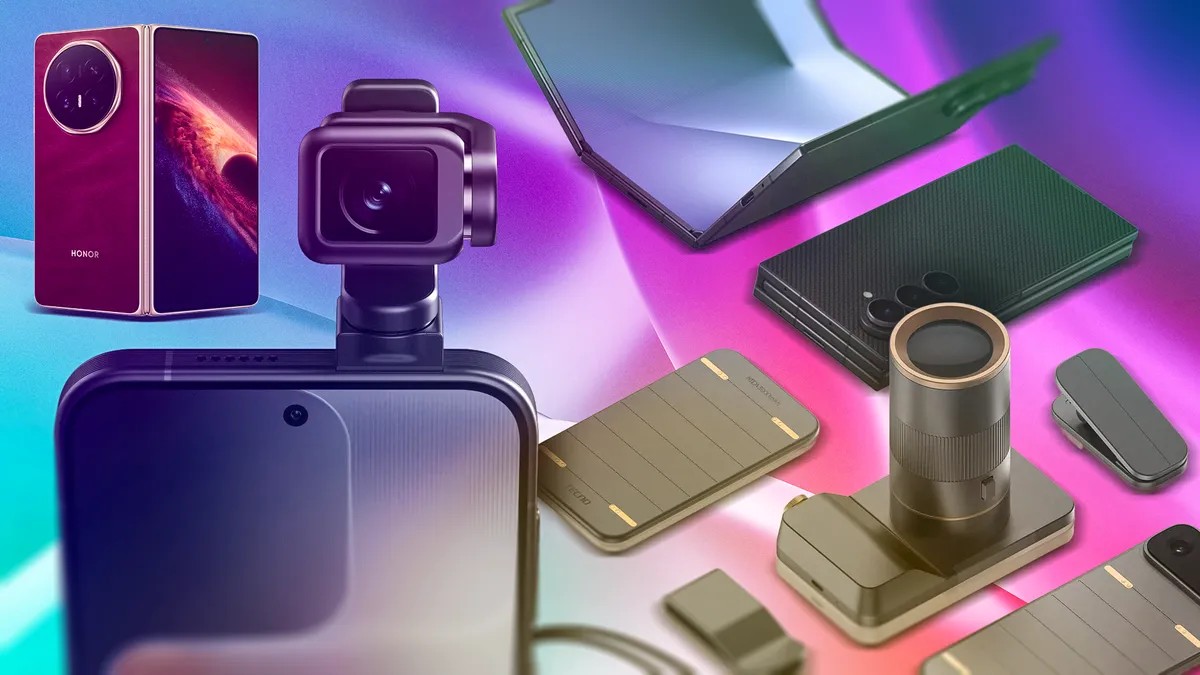
For years, the smartphone industry has battled accusations of stagnation. Each new generation often feels like a minor refresh rather than a true leap forward, with manufacturers iterating on existing designs instead of pushing boundaries. However, tech events like Mobile World Congress (MWC) consistently showcase a different reality: a surge of foldable, flippable, and impossibly thin devices that defy conventional expectations. The problem? These innovations rarely translate into mainstream adoption.
The Gap Between Hype and Reality
At MWC this year, crowds flocked to experimental hardware, including Samsung’s Galaxy Z Trifold, Huawei’s Mate XTs, and conceptual devices like Tecno’s Phantom Ultimate G Fold. Others, such as Honor’s Robot Phone and Motorola’s Razr Fold, are on track for limited retail availability. Despite these advancements, foldables and other niche designs remain a small slice of the overall market.
Data from Counterpoint Research shows foldable phone shipments grew by 14% year-over-year in Q3 2023, but still account for just 2.5% of total smartphone sales. Even highly anticipated thin handsets, like rumored Apple and Samsung models, have struggled to gain traction. As IDC Senior Research Director Nabila Popal put it, “Just because something looks great doesn’t mean you want it at the end of the day.”
Practicality and Price: The Barriers to Adoption
The disconnect between innovation and sales boils down to two key factors: practicality and price. Foldables have improved in durability, camera quality, and battery life, but still fall short of the performance found in traditional flat phones. Ultra-thin devices, like the Galaxy S25 Edge and iPhone Air, often sacrifice specs for lighter builds. Most consumers prioritize function over form, meaning that until sleekness doesn’t compromise performance, the standard “slab” phone will dominate.
Cost is another deterrent. Book-style foldables can easily exceed $2,000, while trifold devices approach $3,000. Even slimmer alternatives remain expensive, often exceeding $1,000. These prices place them firmly outside the reach of many consumers.
Habit and Comfort: The Power of Familiarity
Ultimately, consumer behavior plays a significant role. Despite testing cutting-edge devices, many users return to their reliable, familiar smartphones. The core features – good cameras, long battery life – remain the priority for most, making one screen more than enough for everyday use.
The smartphone in your pocket may look remarkably similar to the one you used a decade ago. But if it still meets your needs, why switch?
Manufacturers should continue pushing boundaries, offering consumers more choices. However, until more people choose to step outside of the familiar, revolutionary mobile designs will remain largely confined to trade shows and the pockets of early adopters.