The Consumer Electronics Show (CES) 2026 showcased a surge in health-focused technology, from advanced biometric trackers to innovative solutions for mental and reproductive wellness. This trend underscores a growing consumer interest in proactive health management and personalized data-driven insights. Here’s a breakdown of the key innovations that stood out at the event.
Mental Wellness: Immersive Relaxation Pods
Reconcept unveiled a zero-gravity relaxation pod designed to induce deep relaxation through muscular strain reduction, aided by both physical positioning and calming audio cues. The technology, already being tested by military, athletes, and corporate teams for stress management and recovery, highlights the increasing demand for accessible mental wellness solutions. While the effectiveness is yet to be definitively proven, the concept demonstrates a shift towards immersive, multi-sensory approaches to stress reduction.
Advanced Biometric Tracking: The Smart Scale Revolution
Withings launched the Body Scan 2, a smart scale capable of measuring up to 60 health metrics, including hypertension, cardiac efficiency, and metabolic function. The device is intended for consistent, long-term use, providing detailed progress reports to users seeking longevity and proactive health improvement. Priced around €499, the scale signals a move towards comprehensive at-home health monitoring, but questions remain about data privacy and whether the sheer volume of metrics will lead to actionable changes or analysis paralysis.
Reproductive Health: Smart Menstrual Pads
Vivoo introduced a smart menstrual pad that measures follicle-stimulating hormone (FSH) levels, offering users real-time insights into fertility and hormonal health. At an estimated €3–€4 per pad plus a subscription fee, the technology represents a significant step towards personalized reproductive health tracking. However, the cost and reliance on a subscription model raise concerns about accessibility and data security.
Food Allergy Detection: Instant Allergen Scanning
Allergen Alert unveiled a portable device that instantly detects lactose or gluten in food samples, offering peace of mind to individuals with severe allergies. FDA-approved and currently being used in high-end restaurants, the device addresses a critical need for reliable allergen detection outside controlled environments. The expected price point of €200, plus a subscription fee, makes it a potentially valuable tool for those managing life-threatening allergies.
Beauty Tech: Thinnest LED Face Masks
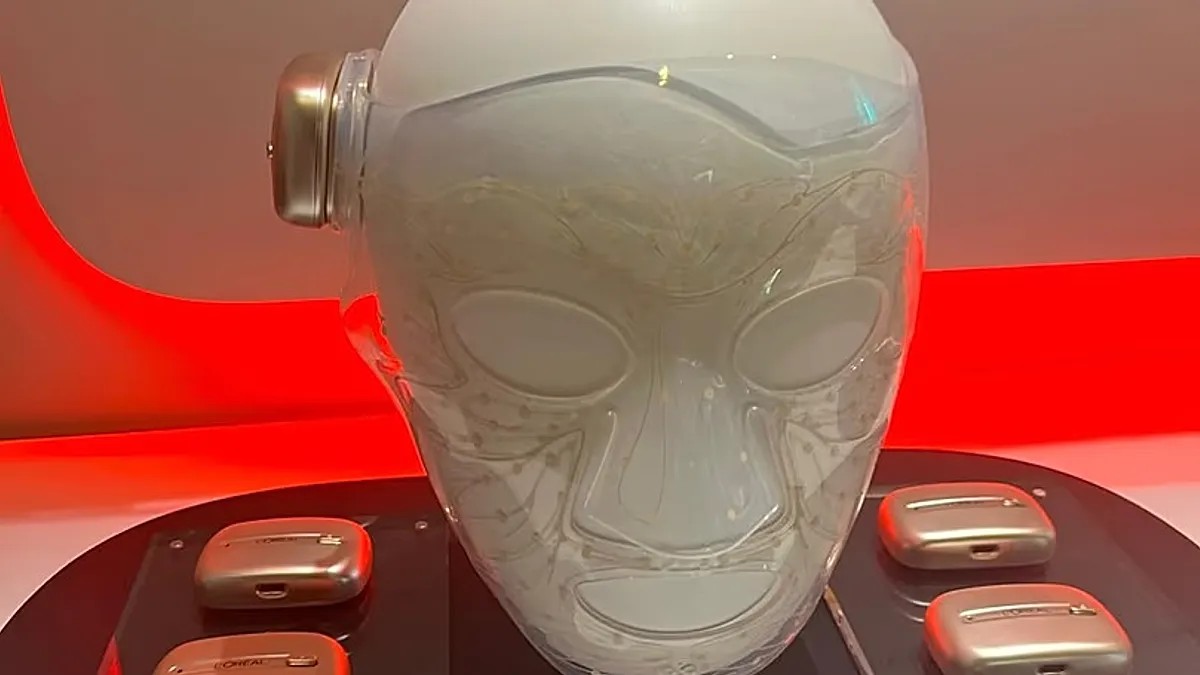
L’Oréal showcased the world’s thinnest LED face mask, designed to target fine lines, uneven skin tone, and sagging using red and near-infrared light. The silicone-based mask includes dedicated undereye treatment, an area often overlooked in current LED devices. While the long-term effectiveness of LED masks remains a subject of debate, L’Oréal’s device meets dermatological standards for light spectrum and intensity, suggesting a more scientifically grounded approach to at-home beauty treatments. The expected mid-range price point and 2027 release date will determine its market viability.
Conclusion:
CES 2026 highlighted a clear trend: the convergence of technology and personal health. These innovations signal a future where individuals have unprecedented access to biometric data and personalized interventions, raising both opportunities and challenges regarding accessibility, privacy, and the potential for over-reliance on technology for well-being. The increasing focus on proactive health management suggests a fundamental shift in how we approach wellness, but the long-term implications remain to be seen.