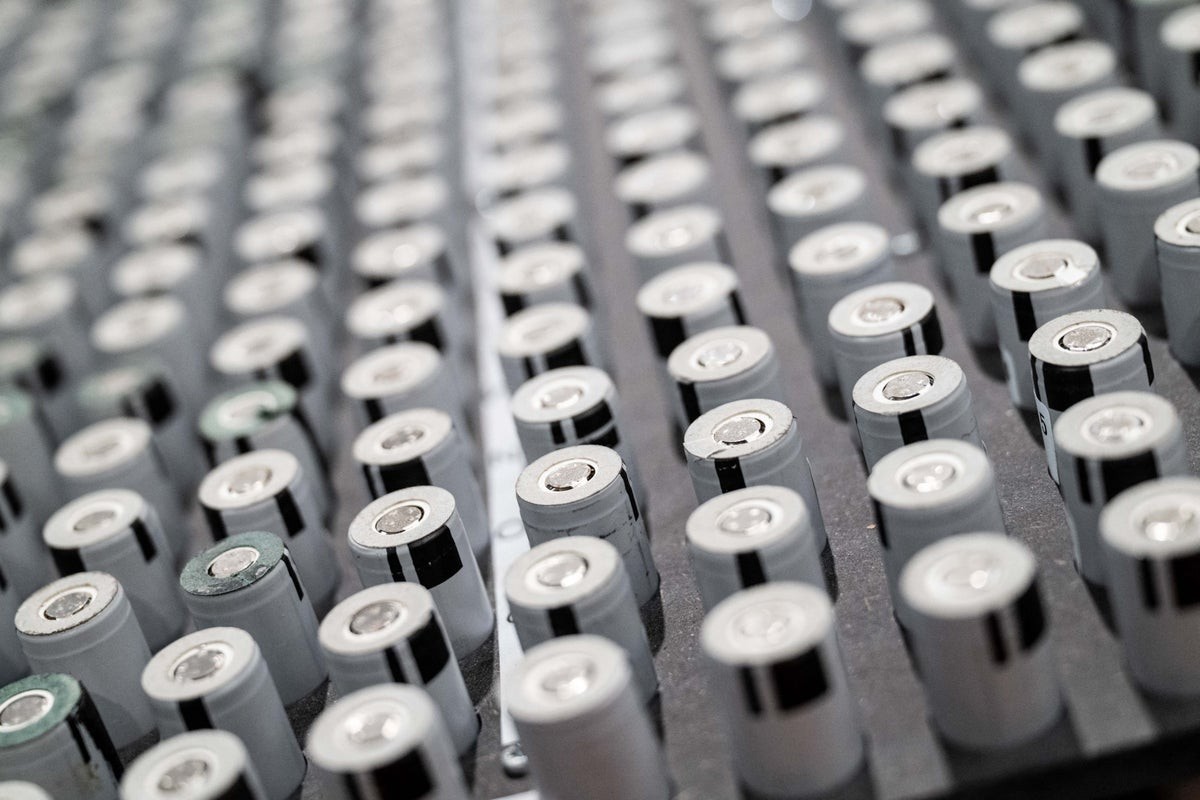
Chinese researchers have engineered a novel lithium battery component that promises to dramatically extend the range of electric vehicles (EVs) – potentially doubling it without increasing battery size or weight. This breakthrough addresses key limitations of current lithium-ion technology, including energy density and performance in cold climates.
The Problem with Existing Lithium Batteries
Traditional lithium batteries rely on dissolving lithium salts in solvents to allow ion movement and generate electricity. However, these solvents require large volumes, hindering miniaturization, and often underperform in sub-zero temperatures. Existing liquid electrolyte systems struggle to exceed ~350 watt-hours per kilogram (Wh/kg), pushing many manufacturers towards more complex solid-state alternatives.
The New Breakthrough: Fluorinated Hydrocarbon Solvents
The research team at Nankai University has introduced a “fluorinated hydrocarbon” solvent. This solvent enhances lithium salt dissolution, significantly reducing the amount of electrolyte needed while boosting efficiency. Unlike conventional lithium-oxygen interactions, this system enables faster ion release and charge transfer, two processes that typically oppose each other.
“Fluorine’s weaker pull on lithium helps resolve that,” explains Professor Zhao Qing of Nankai University.
This new electrolyte system achieves energy densities exceeding 700 Wh/kg at room temperature and nearly 400 Wh/kg at -50°C. This performance rivals that of solid-state batteries while retaining the advantages of liquid electrolytes (lower cost, easier manufacturing).
Implications for Electric Vehicles and Beyond
The implications are significant: EVs currently achieving 500km on a single charge could theoretically exceed 1,000km with this new battery technology. The researchers believe the innovation will not only extend range but also improve usability in cold regions where battery performance often degrades.
Furthermore, the battery’s consistent operation in extreme temperatures suggests potential applications in high-altitude drones and vehicles. The development represents a substantial leap in energy storage technology, narrowing the gap between liquid and solid-state battery performance.
The enhanced efficiency of this system could accelerate the adoption of EVs by addressing range anxiety and improving real-world performance, particularly in challenging climates.