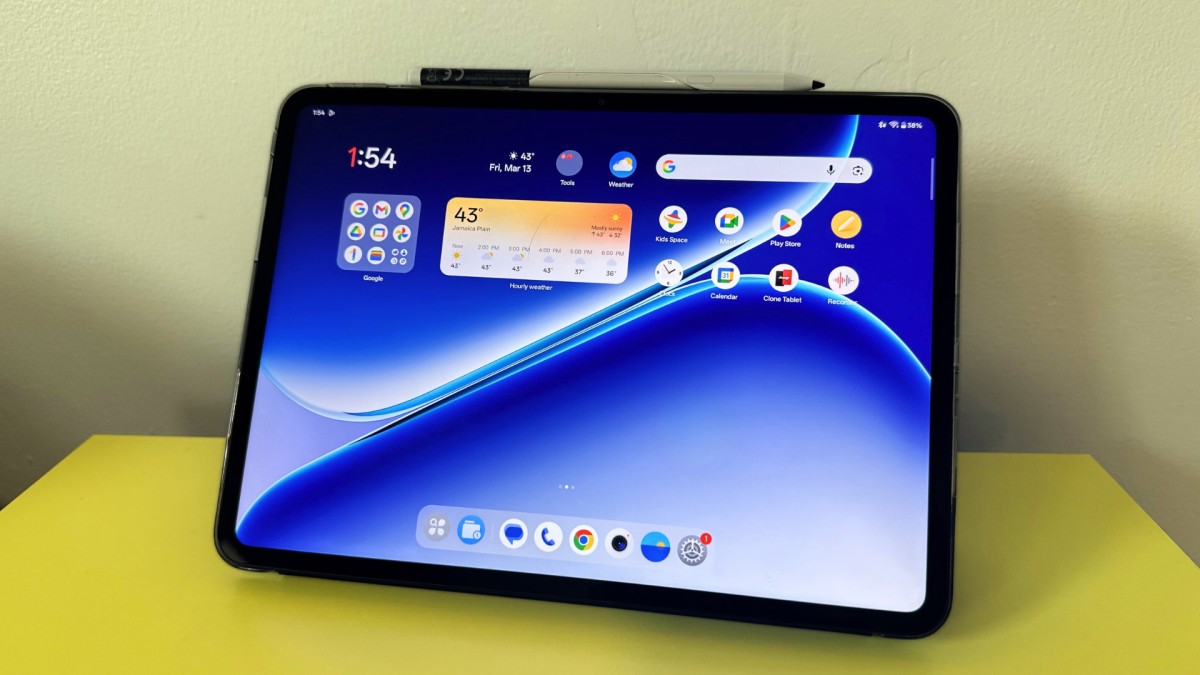
OnePlus has entered the tablet market with the Pad Go 2, a sub-$500 Android device aimed at users seeking an alternative to Apple’s dominant iPad lineup. While the Pad Go 2 offers a familiar, streamlined experience, particularly for those migrating from iOS, it falls short in raw performance and key features compared to its primary competitor.
Design and Familiarity
The OnePlus Pad Go 2 closely resembles iPads in terms of physical design. This is deliberate: OnePlus has clearly aimed for ease of transition for iPhone users, replicating the clean home screen layout and intuitive gestures. The biggest visual difference is the app icon shape (round vs. square on iOS), but functionally, the interface feels remarkably similar. This similarity isn’t accidental; Android tablets have historically struggled with user adoption, and a familiar experience is a clear attempt to lower the barrier to entry.
Performance and Limitations
The tablet runs on a MediaTek Dimensity 7300-Ultra processor, coupled with 8GB of RAM and 128GB of storage. This configuration handles everyday tasks such as streaming, browsing, and light gaming with ease. However, the Pad Go 2 lags significantly behind the latest iPads in processing power. Geekbench 6 tests reveal a multi-core score of 3,030, less than half the 6,233 achieved by Apple’s A16 chip. This performance gap matters because it limits the device’s suitability for demanding applications like video editing or complex creative work.
Multi-window support, a staple of modern tablets, is present but underdeveloped. The Pad Go 2 offers split-screen functionality, but lacks the flexible, resizable windows found on iPads and Samsung Galaxy Tabs. Floating windows are also limited in their usability, remaining anchored to one side of the screen rather than allowing for true drag-and-drop workspace customization.
Display and Audio Quality
The 2.8k resolution display with 900 nits of brightness delivers clear, vibrant picture quality, making it well-suited for streaming media. The 120Hz refresh rate provides smooth scrolling and animations. However, the built-in speakers are underwhelming. Despite having four drivers, the audio quality is tinny and lacks depth, resembling smartphone speakers rather than a dedicated tablet experience.
Battery Life and Camera Performance
Battery life is a standout feature: the OnePlus Pad Go 2 lasted nearly 14 hours in testing, making it ideal for long-haul travel or extended use without frequent charging. However, the 8MP front and rear cameras are subpar, producing washed-out, grainy images even in optimal lighting conditions. This is not a device designed for serious photography.
The Verdict: A Competent, But Not Leading, Android Tablet
The OnePlus Pad Go 2 is a functional Android tablet with a familiar interface and impressive battery life. It performs well for basic tasks but falls short of the iPad in processing power and advanced features like full multi-window support. The cameras are disappointing, and the speakers are underwhelming.
For users committed to Android, it’s a viable option. However, if you’re open to iOS, a base-model iPad offers comparable functionality at a similar price point, with superior performance. The Pad Go 2 is a step in the right direction for OnePlus, but it hasn’t yet reached a point where it can truly challenge Apple’s dominance in the tablet space.