The global landscape shifted dramatically over the last 24 hours, marked by a sudden diplomatic pivot in the Middle East and a startling revelation in the field of Artificial Intelligence. From high-stakes ceasefire negotiations to the emergence of potentially dangerous AI models, the following report outlines the key developments shaping our world today.
The Iran Ceasefire: A Fragile Peace
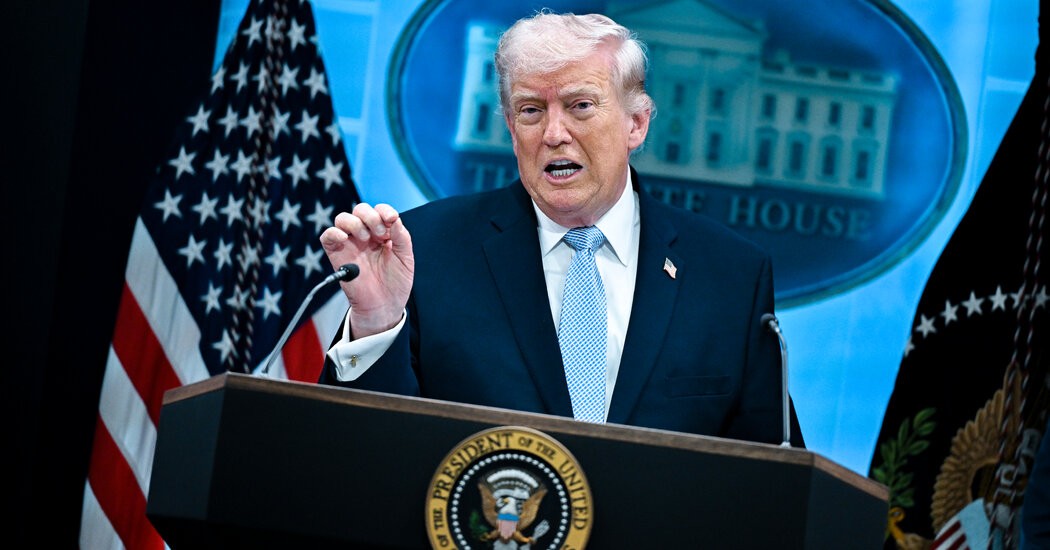
Following an intense period of rhetoric and threats, President Trump has announced a two-week ceasefire agreement with Iran. This follows an “apocalyptic” threat issued by the President just ten hours prior, in which he warned of widespread attacks on civilian infrastructure.
The breakthrough is largely attributed to a frantic diplomatic mediation led by Pakistan, which drafted the proposal currently being implemented.
Key Terms of the Deal:
- Maritime Access: Iran has agreed to allow the passage of oil, gas, and other essential goods through the Strait of Hormuz, a critical artery for the global energy supply.
- Suspension of Hostilities: All fighting is intended to cease for a 14-day window to allow negotiators to work toward a permanent peace agreement.
- Regional Exceptions: Israel has signaled support for the deal but explicitly stated that the ceasefire does not extend to Lebanon, where military operations against Hezbollah continue.
The Context of “The Playbook”
Analysts note that this sudden pivot follows a pattern often seen in the Trump administration: issuing extreme, high-stakes threats to create maximum leverage before securing a deal that can be framed as a major diplomatic victory. However, the stability of this peace remains uncertain; reports of strikes in the Persian Gulf this morning suggest that Iran’s decentralized military may not have received uniform instructions to halt combat.
Inside the Decision to Go to War
New reporting reveals the internal dynamics that led to the recent escalation with Iran. According to investigations by The New York Times, the decision-making process was characterized by an “echo chamber” environment with minimal institutional pushback.
- The Israeli Pitch: In February, Prime Minister Benjamin Netanyahu met with Trump in the White House Situation Room. He presented a plan for a rapid victory, suggesting that Israeli intelligence (Mossad) could spark an internal uprising to topple the Iranian regime.
- The Intelligence Reality Check: While U.S. analysts confirmed some aspects of the plan were achievable, they warned that the idea of collapsing the Iranian regime through a sudden uprising was “farcical.”
- Internal Dissent: Within the administration, Defense Secretary Pete Hegseth supported the move, and General Dan Caine flagged significant risks, though he noted it was not his role to countermand the President. Vice President JD Vance was the sole high-ranking official to voice opposition, though he ultimately pledged support once the decision was finalized.
Economic Impact
While markets surged and oil prices dropped following the ceasefire news, the global economy remains on edge. Because roughly 10% of the world’s oil supply was disrupted, experts warn that gas and jet fuel prices are unlikely to return to pre-war levels quickly due to damaged refineries and shuttered wells.
The AI “Reckoning”: A Double-Edged Sword
In Silicon Valley, a new technological development is raising alarms among cybersecurity experts. Anthropic has announced a new AI model, Claude Mythos Preview, which it has deemed too powerful for public release.
The Security Paradox
The model excels at identifying software vulnerabilities. While this is a massive boon for developers looking to patch security holes, it presents a catastrophic risk if used maliciously:
– The Capability: The model has reportedly identified thousands of bugs across every major operating system and web browser.
– The Strategy: Anthropic is limiting access to a small group of tech giants (including Apple, Amazon, and Microsoft) so they can use the tool to fortify their own defenses.
– The Risk: Cybersecurity experts warn of a future where “hordes of agents” could methodically and constantly catalog every weakness in a nation’s or corporation’s digital infrastructure.
“Imagine a horde of agents methodically cataloging every weakness in your technology infrastructure constantly.” — Cybersecurity Firm Executive
Summary: While a fragile ceasefire in the Middle East provides temporary relief to global energy markets, the underlying political volatility and the emergence of highly capable, “unreleaseable” AI models suggest a period of profound uncertainty for both international diplomacy and digital security.