For many, Lost is a relic of early 2000s television — a show that started strong but ultimately spiraled into confusion. But dismissing it as a flawed experiment is a misjudgment. Today, in an era of prestige TV, Lost doesn’t just hold up; it stands as a pivotal work that paved the way for the complex, serialized dramas we now celebrate.
Why Lost Was Ahead of Its Time
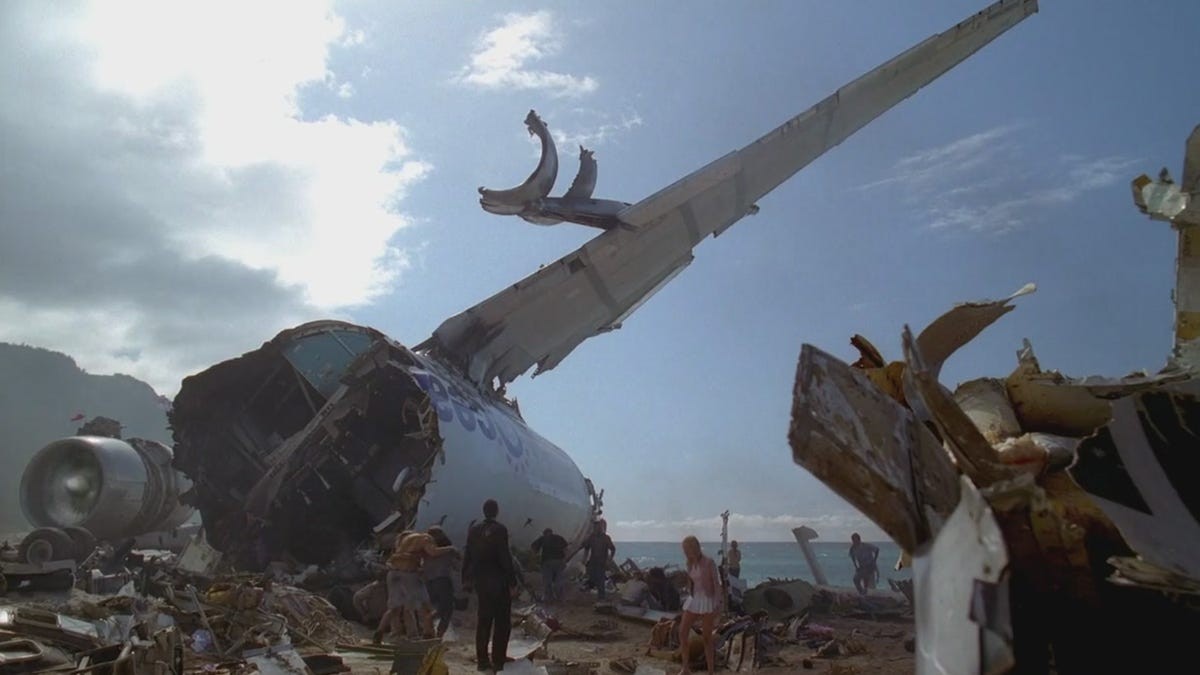
In 2004, network television was dominated by procedural crime dramas and sitcoms. Then came Lost : a lush, cinematic sci-fi mystery filmed on 35mm, featuring a large ensemble cast and a deliberately unfolding mythology. It was a risk for ABC, and a massive disruption to the TV landscape. The show demanded attention, forcing viewers to engage with serialized storytelling in a way few programs had before.
Lost blended genres – sci-fi, horror, philosophical drama – creating something wholly unique. The show’s willingness to experiment with structure, shifting timelines, and character-focused detours was radical. Today, shows like Severance and Dark employ similar techniques, but Lost did it first, pushing boundaries even when network executives wanted a simpler, more predictable formula.
The Misunderstood Ending
One of the biggest criticisms leveled against Lost is its finale. Many viewers felt cheated, believing the ending was nonsensical or unsatisfying. The truth, however, is far simpler: the characters were not all dead the entire time. This misconception persists despite being debunked by the show’s creators, cast, and even the dialogue itself.
The idea of a purgatory-like twist would have gutted the entire series, rendering six seasons of character development and plot progression meaningless. The actual ending, while emotionally complex, provides closure without invalidating the journey. To truly appreciate Lost, you must approach it knowing that everything matters.
Why Rewatch in 2024?
Streaming has changed how we consume television. Binge-watching allows for a deeper, more immersive experience. Lost was always designed to be consumed this way, and the show benefits immensely from it. The pacing feels more natural, the mysteries more engaging, and the emotional impact far stronger when viewed in its entirety.
Moreover, Lost ’s visual and auditory quality still holds up remarkably well. Filmed on location in Hawaii, the series looks stunning, and Michael Giacchino’s score remains one of the most distinctive and emotionally resonant in television history. The performances, from a largely unknown cast, are equally compelling.
A Legacy of Influence
Lost wasn’t just a good show; it was foundational. It opened the door for serialized sci-fi and character-driven genre storytelling. Without Lost, it’s hard to imagine the success of shows like The Leftovers, Stranger Things, or Severance. The show’s willingness to embrace ambiguity and explore philosophical themes set a new standard for television drama.
If you haven’t revisited Lost in years, or if you’ve never experienced it at all, now is the time. Skip the Reddit debates, ignore the hot takes, and simply press play. You might just discover that Lost didn’t lose its way; we just didn’t know how to watch it until now.