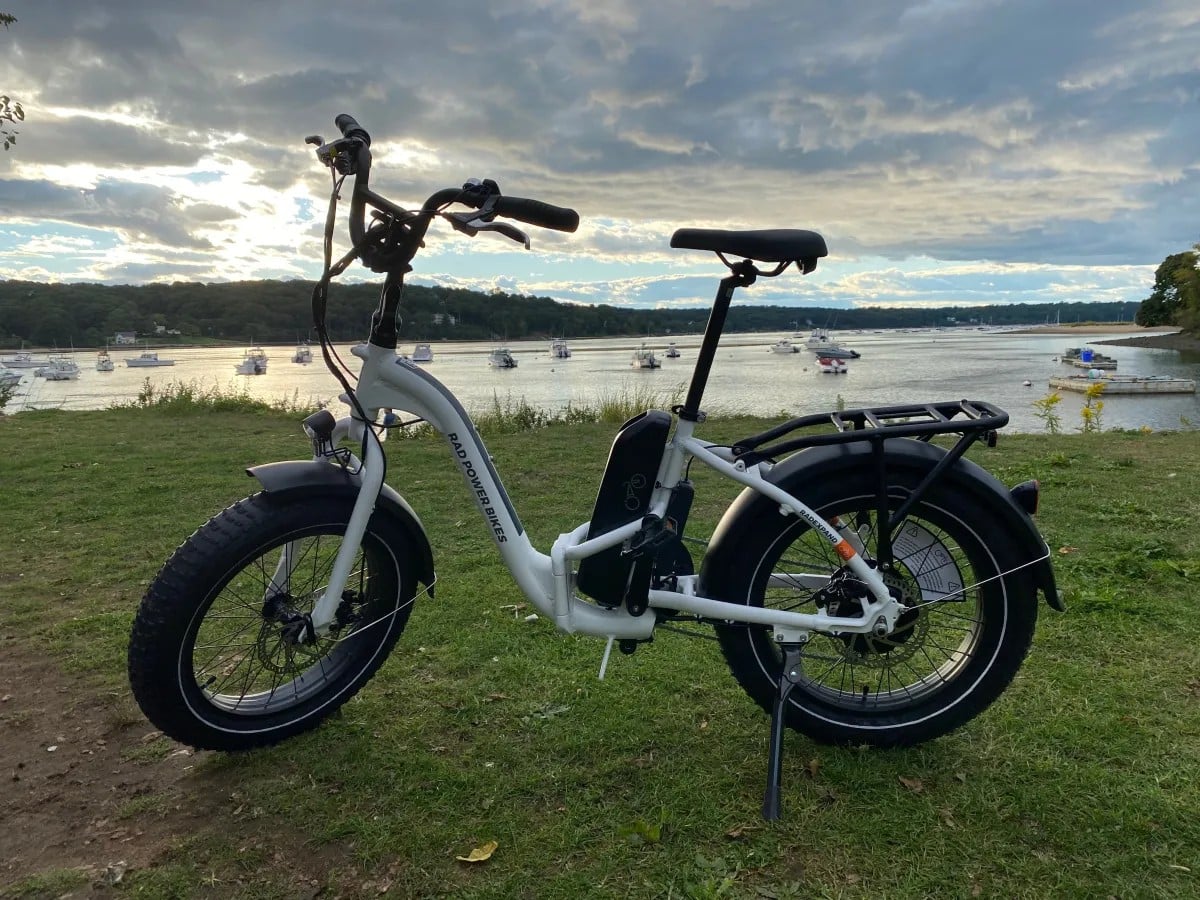
Rad Power Bikes, a leading direct-to-consumer electric bike company, has filed for Chapter 11 bankruptcy protection. The move comes after weeks of uncertainty, including warnings to employees about a potential shutdown if new funding wasn’t secured. Despite the filing, the company will continue operating while it seeks a buyer within the next 45–60 days.
The Road to Bankruptcy
Rad Power’s financial struggles reflect a broader cooling in the e-bike market after a pandemic-fueled boom. The company cited $32 million in assets against $73 million in liabilities, including $8 million in disputed tariffs owed to U.S. Customs and Border Protection.
This isn’t an isolated incident; several e-bike companies globally have faced similar difficulties as demand normalizes. However, some firms – like VanMoof and Cake – have successfully restructured through bankruptcy and found new ownership. Rad Power previously explored a deal to avoid bankruptcy, but it fell through in November.
Safety Concerns & Strategic Shifts
The bankruptcy filing coincides with a recent warning from the Consumer Product Safety Commission (CPSC) regarding fire risks in older Rad Power batteries, with 31 reported incidents. The company disputes the CPSC’s claims.
Adding to the challenges, Rad Power underwent leadership changes earlier this year, appointing Kathi Lentzsch as CEO to steer a turnaround. The strategy shifted from a direct-to-consumer model towards a retail-focused approach, aiming to expand reach and strengthen customer relationships.
What This Means for the E-Bike Market
Rad Power’s bankruptcy underscores the evolving dynamics of the e-bike industry. The initial hype has subsided, forcing companies to adapt or risk failure. The direct-to-consumer model, once a key advantage, now faces pressure as brands seek broader market access through retail partnerships.
The situation at Rad Power Bikes serves as a cautionary tale for other e-bike companies that relied heavily on pandemic-era demand. Adapting to changing market conditions and addressing safety concerns will be crucial for survival.
The bankruptcy process will determine whether Rad Power can be salvaged as a going concern or if its assets will be liquidated. The outcome will likely set a precedent for other struggling e-bike brands navigating a more competitive landscape.