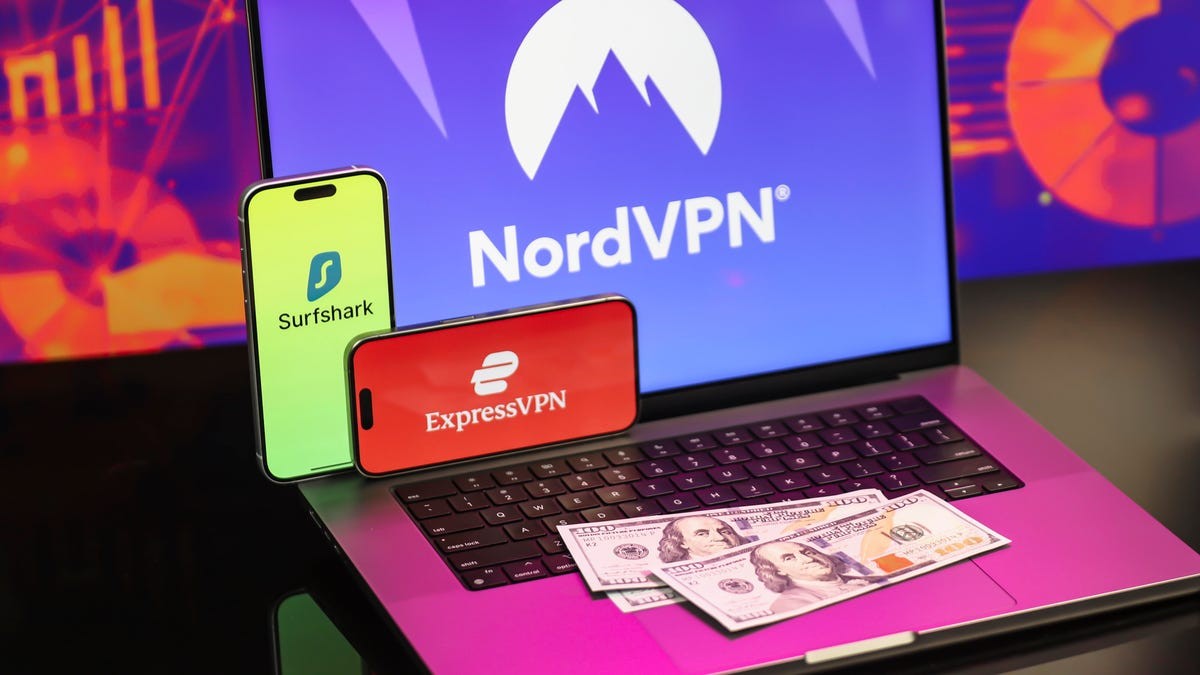
The world of Virtual Private Networks (VPNs) often presents a deceptive pricing landscape. What appears as a simple monthly fee is frequently tied to long-term contracts, limited-time promotions, or renewal price hikes. Understanding how VPN pricing structures actually work is crucial for making an informed decision – and avoiding unexpected costs.
The Illusion of Savings: How VPNs Trick You
VPNs often advertise significant savings for annual or multi-year plans. However, these figures are usually calculated using the monthly price of a longer-term contract, rather than the actual cost you’ll pay upfront. This creates a misleading impression of affordability.
For example, a VPN might advertise a “saving” of several hundred dollars on an annual plan, but this is simply the difference between the total cost of a monthly plan over that same period. The reality is that the long-term commitment requires a large upfront payment, which may not be the best option for everyone.
The key is to focus on the total cost upfront, not the marketing-friendly “savings” figure. Month-to-month plans are typically more expensive, but they offer flexibility without locking you into a long-term commitment.
Renewal Rates and Hidden Costs
Many VPNs lure customers with introductory pricing, then dramatically increase the subscription cost upon renewal. This is a common tactic to secure long-term revenue. Always verify the renewal rate and date before committing to a plan. Otherwise, you may be hit with an unexpected charge on your credit card.
Additionally, some VPNs bundle features like antivirus software or password managers into higher-priced tiers. While these bundles may seem appealing, assess whether you would actually purchase these services separately. A basic VPN subscription is often sufficient for core privacy and security needs.
Why Prices Vary So Wildly
VPN pricing depends largely on subscription length. Longer commitments (one year or more) are almost always cheaper per month, but require a larger upfront payment. This allows VPN providers to secure predictable revenue streams.
Running a VPN service also incurs significant operational costs. Maintaining servers worldwide, investing in bandwidth, and developing apps for various platforms (Windows, macOS, iOS, Android) all contribute to the final price. Some VPNs also offer bundled services, like antivirus software, further influencing pricing tiers.
Cheap vs. Expensive: What Does the Price Tag Mean?
A higher price doesn’t automatically translate to better privacy, faster speeds, or reliable streaming access. Some budget-friendly VPNs provide strong privacy protections, clear no-logs policies, and reliable access to popular streaming platforms at a lower cost. Surfshark is a good example of this.
Conversely, a premium VPN doesn’t guarantee superior performance. Some expensive services, like Hotspot Shield, offer limited server pools and fewer advanced privacy features despite their higher price tag. Read privacy policies, check independent audits, and review testing results before making a decision.
The Risks of Free VPNs
Free VPNs often come with hidden costs. Many collect and sell user data, bombard users with intrusive ads, or even compromise privacy by failing to secure connections properly. While some reputable providers offer limited free tiers (such as Proton VPN), exercise caution when choosing a free VPN service.
Choosing the Right Plan for You
The best VPN plan depends on your individual needs. Monthly plans offer flexibility for short-term use, while annual plans provide savings without excessive commitment. If streaming is a priority, verify compatibility with your preferred services before signing up.
Prioritize privacy by looking for clear no-logs policies, independent audits, and transparent ownership. Consider simultaneous connection limits if you plan to use the VPN on multiple devices.
Ultimately, the most sensible approach is to slow down, read the fine print, and focus on the total cost upfront. Avoid chasing promotional banners and instead prioritize transparency, performance, and your specific internet usage patterns.