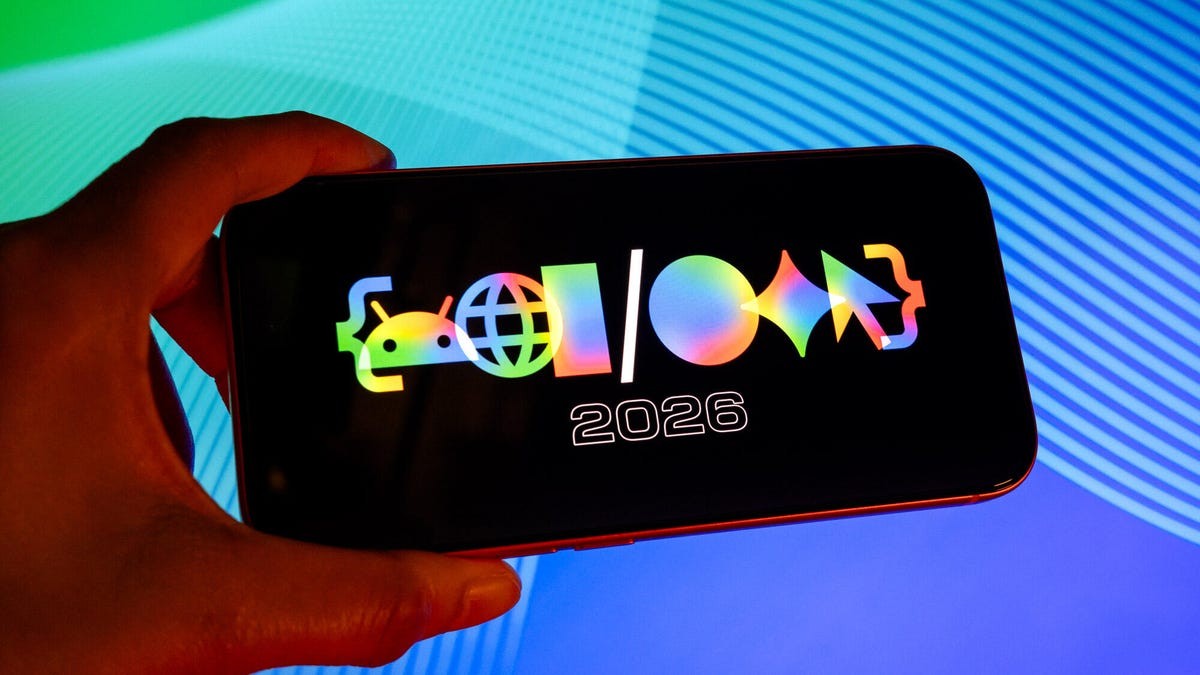
Google stands at a critical juncture as it prepares for its annual I/O developer conference. With rivals like Apple and Microsoft launching their own major tech events in June, the stakes have never been higher. The company is no longer just showcasing incremental updates; it is attempting to define the next era of personal computing through two pivotal pillars: agentic AI and smart glasses.
While Google has already previewed Android 17 and new hardware concepts, the upcoming May 19–20 conference will determine whether these technologies can transition from novelty to necessity. The central question is not just what Google can do, but whether it can overcome significant market saturation and deep-seated user skepticism to win consumer trust.
The Battle for Your Face: Smart Glasses and Privacy
The smart glasses market is exploding, with growth surging 139% year-over-year in late 2025, driven largely by Meta’s dominance. However, Google sees an opening where others see a wall. Unlike Meta and Apple, which utilize relatively closed operating systems, Google is pursuing an open-platform strategy via Android XR. This approach leverages Google’s vast ecosystem of original equipment manufacturers (OEMs), potentially offering broader compatibility and integration options.
The Challenge of Utility vs. Intrusion
For Google’s Android XR smart glasses to succeed, they must do more than just look futuristic. Early prototypes have demonstrated impressive capabilities, such as:
– Contextual Navigation: Using the camera to provide directions based on real-world visuals.
– Visual Recognition: Identifying album covers to play music or analyzing objects for information.
Despite these features, Google faces two major hurdles:
1. Performance Latency: Users demand instant responses. Any lag between a voice command and the AI’s reaction breaks immersion and utility.
2. Privacy Concerns: The rise of smart glasses has sparked legal and social backlash, including class-action lawsuits against Meta over privacy violations. Google must prove that its devices are helpful assistants, not surveillance tools.
“Google needs to build user trust. The popularity of smart glasses has taken a huge hit lately… Google will still have to work hard to reassure people that its Android XR glasses are useful, not creepy.”
— Katelyn Chedraoui, CNET AI Reporter
To compete effectively, Google must also ensure cross-platform compatibility, particularly with iOS, mirroring Meta’s strategy to maximize market reach.
Agentic AI: From Chatbots to Doers
While generative AI (creating text or images) has captured the public imagination, the industry is rapidly shifting toward agentic AI —systems that can “Think, Act, and Observe” to complete complex tasks autonomously. Google’s Gemini Flash 3 is already hinting at this future, with the ability to write and execute code to analyze images or manage workflows.
The Trust Deficit
The potential of agentic AI is immense, particularly for software development and everyday automation. However, its adoption is threatened by a significant trust deficit. Recent surveys indicate that 46% of Americans view AI negatively, ranking it less favorably than contentious political topics.
For agentic AI to move beyond simple tasks like scheduling emails, users must feel safe handing over critical decisions, such as online shopping or financial management. This requires:
– Ironclad Safety Guarantees: Robust safeguards against errors or malicious use.
– Specific Use Cases: Focusing on narrow, high-value applications rather than vague “do-everything” promises.
Why This Matters Now
The race at I/O 2026 is not just about technical superiority; it is about ecosystem integration and consumer confidence. Google’s open-platform approach offers a distinct advantage in hardware diversity, but it must pair this with software that is both fast and trustworthy.
If Google can deliver low-latency, privacy-first smart glasses and reliable agentic AI tools, it may successfully pivot from being a search engine to becoming the central operating system of daily life. Conversely, if it fails to address privacy fears and performance issues, it risks falling behind Meta and Apple in the next decade of computing.
In short, Google’s success at I/O will depend on proving that its AI is not just smart, but safe, seamless, and indispensable.