It came back.
At least, it looked like it did.
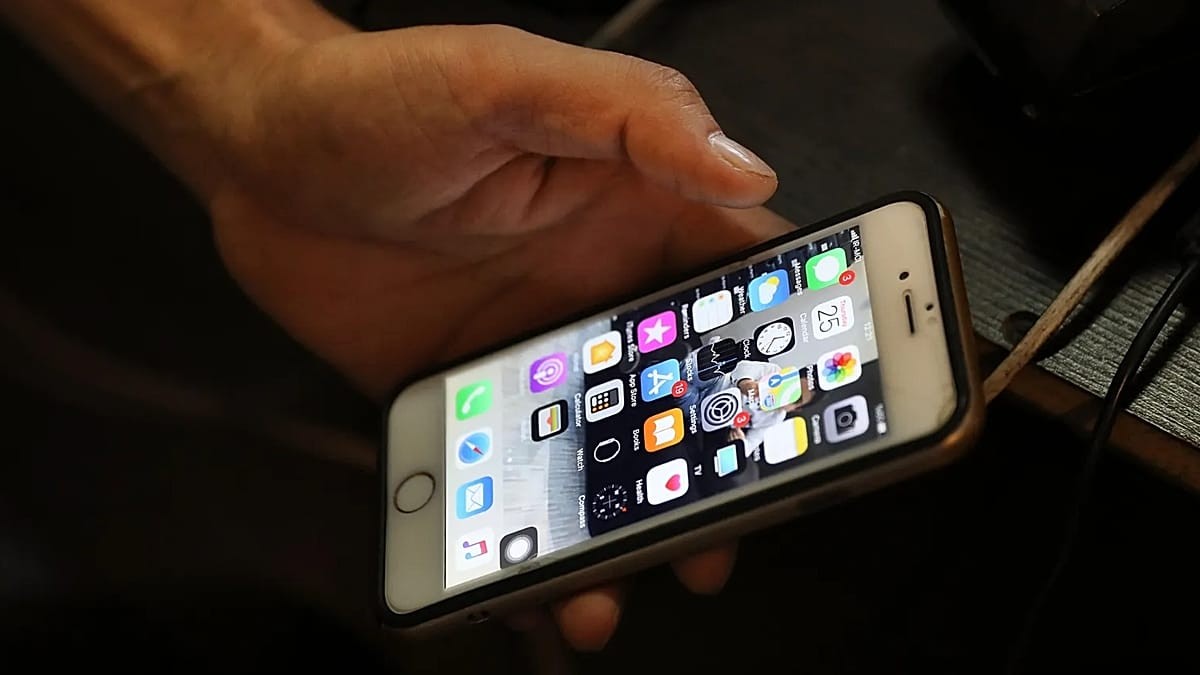
For the first time in eighty-eight days, a faint signal from outside reached Iranian users on Tuesday. The blackout—that thick, suffocating wall of digital silence—showed a crack.
But the judiciary wasn’t having it.
The legal brake pedal
The Administrative Justice Court hit the pause button hard.
A court that operates under the judicial branch, separate from the presidential administration, stepped in. They stopped the enforcement of a document establishing a Special Committee for managing cyberspace. This was the document behind the order to restore service.
They accepted complaints demanding its annulment. Now the contested regulations are suspended. No final ruling yet, just a stay.
This is standard procedure for public bodies that mess with administrative decisions. They have the power to freeze things. And they did.
Who promised what
Earlier, the government sounded confident. Almost giddy, even.
Mohammad Reza Aref—first vice-president under President Masoud Pezeshkian—chaired a meeting where they voted to return the internet to its state before January 2026.
“The first step toward free and regulated access has been taken.”
Aref posted this on X. He talked about facilitating smart services. Removing barriers. Meeting public demands.
He framed it as a victory for knowledge and leadership.
President Pezeshkian allegedly told the communications minister to open the doors to the international net.
The numbers sounded good too.
ISNA cited a source claiming reconnection was underway. Within twenty-four hours, everyone would have access.
Ehsan Chitsaz, a deputy at the ministry, echoed the optimism. Within minutes, connections would appear. Then, gradual expansion. By next day? Full speed ahead.
The data doesn’t care
Except it isn’t working.
Or at least, not everywhere. Not really.
NetBlocks monitors these things. They look at the raw traffic, not the press releases.
Their report? Still offline.
For the people actually on the ground in Iran, the isolation remains.
Twenty zero eight eight hours of blackout.
Eighty-eight days of being cut off.
Conflicting reports pile up like wet newspaper. CITNA says fixed lines are coming back on. Aref says progress is being made.
The reality seems to be partial, flickering, fragile.
Live metrics show something moving on Tuesday, but nobody knows if it’ll hold. Or if it even worked beyond a few localized pockets.
Did it work?
Probably not as advertised.
The court’s injunction suggests the legal groundwork is shaky. Maybe too shaky. The order to reopen might have been a political signal more than a technical achievement. A gesture toward the people who’ve “stood firmly by the system” in Aref’s words.
Now we wait.
For the judicial review to run its course. For the bandwidth to actually flow, if it flows at all. The screen might be brightening, or it might just be the glare of another bureaucratic hurdle reflecting back at them.
Who knows which side of the server the truth lives on.