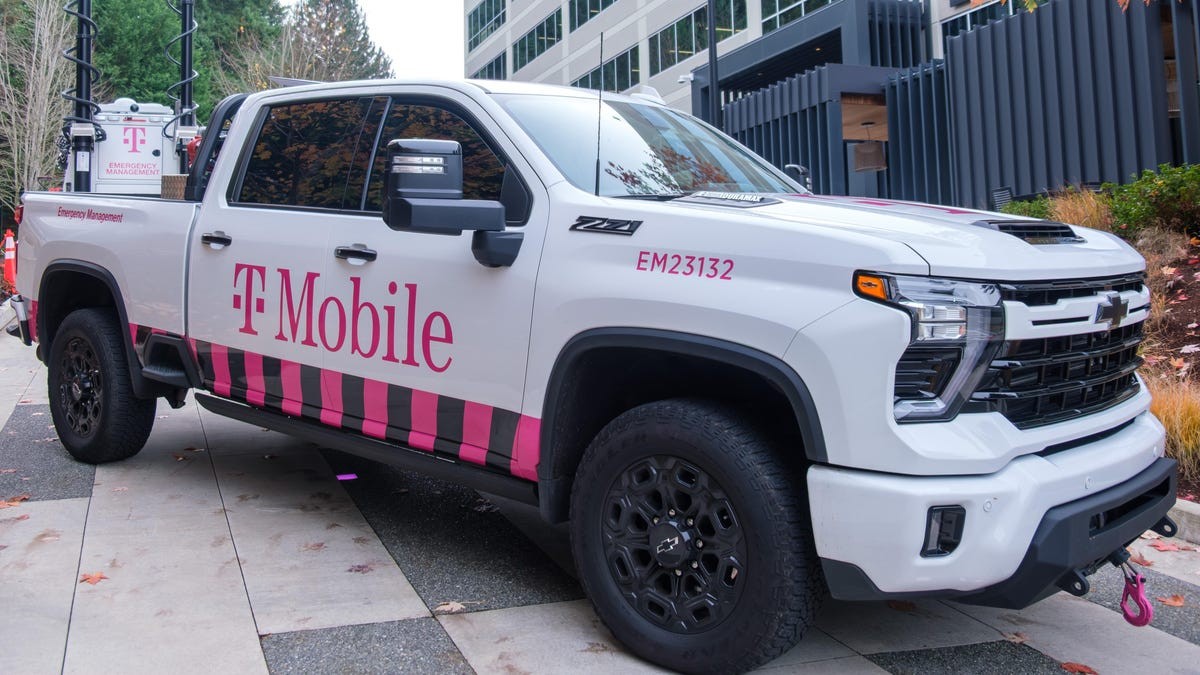
T-Mobile’s emergency response teams face a growing challenge: increasingly frequent and intense disasters. From floods to wildfires, the company is adapting to a world where major weather events are becoming more common and unpredictable. This isn’t just a technical problem; it’s a logistical and human one, as professionals struggle to keep pace with the escalating demands of rapid response.
The Rising Stakes of Network Resiliency
T-Mobile executives say their biggest concern is maintaining network functionality during disasters. John Saw, the company’s president of technology, bluntly states that network failure means failing the people who rely on it. To combat this, T-Mobile deploys resources like SatCOLTs (satellite cell on light trucks) and drones to provide temporary 5G coverage when traditional towers are damaged. They also coordinate with first responders to deliver emergency supplies and portable chargers.
The scale of preparation has grown significantly in the last decade. While T-Mobile won’t disclose exact figures, the company confirms that tens of millions of dollars have been invested in equipment and infrastructure to support emergency operations, with a customer base of 140 million relying on their service.
Climate Change Fuels the Crisis
The escalating disaster frequency is not accidental. Stacy Tindell, senior director of network engineering, explains that climate change is driving both the number and severity of extreme weather events. “We have wildfires where we haven’t seen them before. We have hurricanes later into the season.” This means more resources are needed, and responders are stretched thin, working in high-pressure “go, go, go” scenarios.
The increasing frequency of these events creates a unique strain on personnel. Sustaining emergency response at this pace is hard on both the network and the people involved. However, Tindell insists that the team’s ability to react is not in question: “Reacting and responding is what we do best.”
From Reactive to Proactive: A Shift in Strategy
Emergency response isn’t just about reacting to disasters; it’s about preparing for them. T-Mobile has evolved from a company with limited resources in 2015, as described by COO Jon Freier, to one with substantial assets staged across the US. While some deployments are planned for major events like the Formula 1 Las Vegas Grand Prix, the majority are triggered by unexpected incidents.
Nicole Hudnet, national lead for T-Mobile’s Emergency Response team, emphasizes that the issue is not if a disaster will strike, but when. Her focus is on ensuring preparedness, stating that “the small flood is just as important as the big flood to those communities.”
The increasing reliance on cell phones during emergencies means that maintaining network functionality is no longer simply a business concern; it’s a critical lifeline for communities in crisis.
T-Mobile’s evolution reflects a broader trend: telecommunications companies are now on the front lines of disaster relief, forced to adapt to a world where extreme weather is the new normal.