Three prominent hardware companies—iRobot (Roomba), Luminar (lidar), and Rad Power Bikes (e-bikes)—have filed for bankruptcy within a single week, signaling broader challenges in the tech sector. Despite operating in distinct markets, they share common struggles: tariff pressures, failed acquisitions, and an inability to diversify beyond their initial product successes.
The Rise and Fall of Early Innovators
Rad Power Bikes, once a leader in the emerging e-bike market, saw its revenue peak during the pandemic-fueled micromobility boom. The company generated over $123 million in 2023 but revenue fell to $63 million this year. Rad Power’s bankruptcy highlights the difficulty of sustaining growth in niche markets, even with strong branding and customer engagement.
Luminar, a lidar sensor manufacturer, capitalized on early hype surrounding autonomous vehicles. The company secured deals with Volvo and Mercedes-Benz, but remained overly reliant on a single sector. Their failure demonstrates the risks of overspecialization in rapidly evolving technologies.
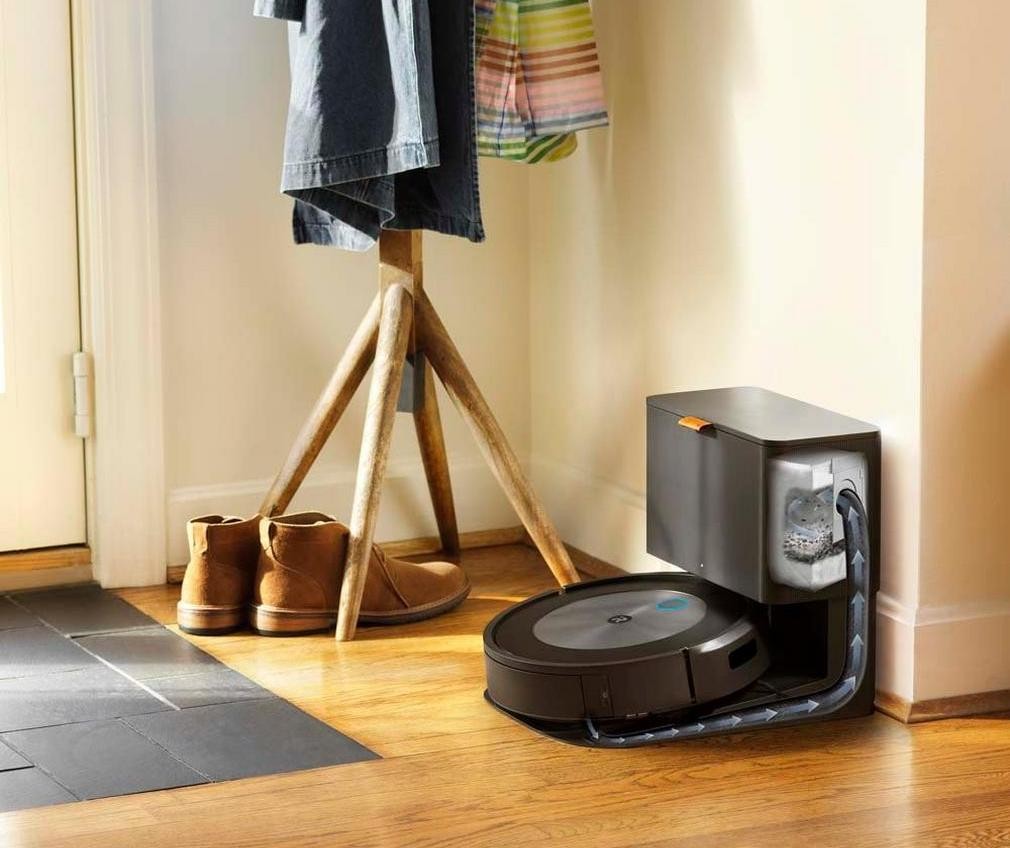
iRobot, the maker of the Roomba vacuum, became a household name but failed to adapt to faster technological advancements. The company sought acquisition by Amazon, but the deal was blocked by the Federal Trade Commission (FTC), leaving iRobot with no clear exit.
Deeper Causes Behind the Failures
Analysts point to several contributing factors:
- Tariff Pressures: The reliance on Chinese supply chains made these companies vulnerable to trade policy shifts, as seen during the Trump administration.
- Failed Acquisitions: The FTC’s blocking of the Amazon-iRobot deal accelerated the company’s demise. Critics argue that such interventions can have unintended consequences, potentially leading to liquidation or acquisition by foreign entities.
- Lack of Diversification: Each company became synonymous with a single product category, leaving them exposed when market conditions changed or competition intensified.
The Broader Implications
These bankruptcies reflect systemic issues in hardware manufacturing: the difficulty of building localized supply chains, the vulnerability to global trade policies, and the rapid pace of technological innovation. The failure of iRobot, Luminar, and Rad Power Bikes serves as a warning to other hardware firms: specialization without diversification is a risky strategy in today’s volatile market.
The collapse of these companies raises questions about the role of regulation, trade policies, and the sustainability of early tech leadership. Ultimately, their downfall demonstrates that even pioneering firms can succumb to market pressures if they fail to adapt or find a viable exit strategy.