The first thing that hit me was the quiet.
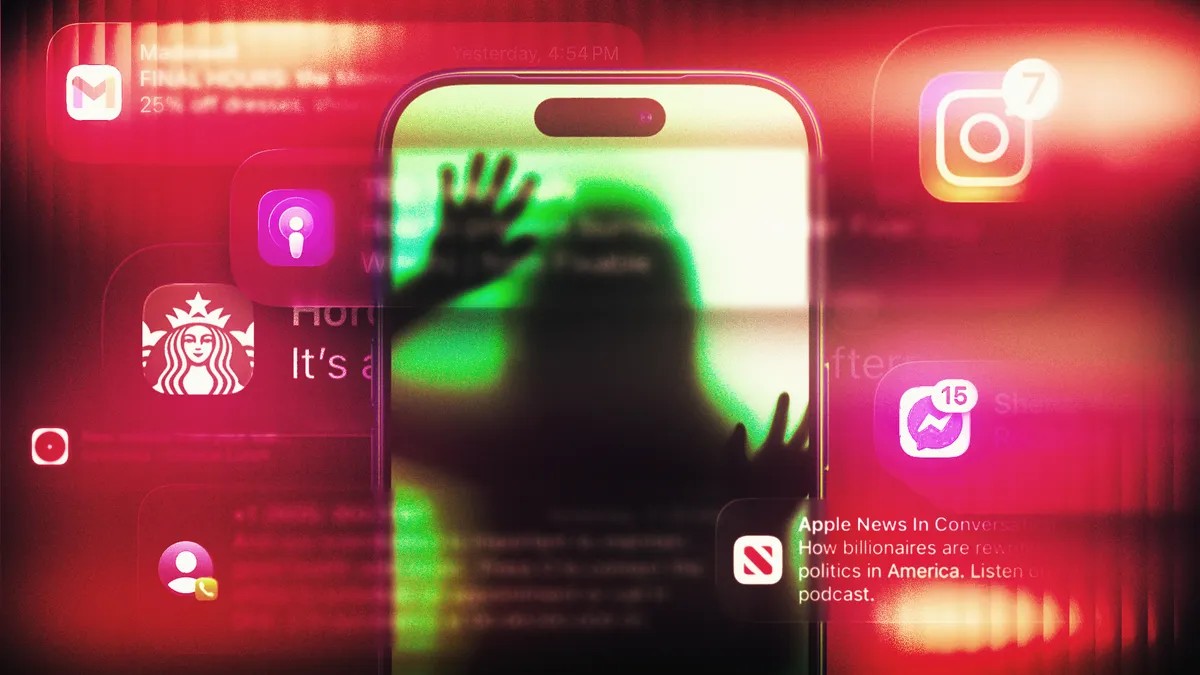
I woke up. Reached for the iPhone. Found nothing. No Slack piles. No Gmail stacks. No Instagram dopamine hits. No Amazon ads demanding I buy things I didn’t ask about. Just a blank black rectangle staring back at me.
It wasn’t Do Not Disturb. That’s just a curtain. Things still pile up behind it. Waiting. Judging.
I had actually turned them all off. Manually. App by app. The night before. Apple makes you do it yourself. A little punishment baked into the design.
Now the phone wasn’t holding its breath. It had nothing to say.
I should have felt smug. That calm satisfaction people talk about. The “look at me being healthy” vibe.
I didn’t. I felt anxious.
Low-level. Unsettling. Someone was out there. Maybe they needed me. Maybe a package arrived. Maybe a meme existed. Maybe the Grimace Shake was back and I was missing it.
It felt like stepping out of a party you’ve been at for hours. The rooms are still filling. People are looking for you. But you can’t see them.
I did it for a week. Everything. Messages. Email. News. Banking apps. McDonald’s. The lot of them.
By the end, the phone wasn’t a grenade anymore. It was an object. Something I could set down without my heart rate spiking.
I finally had to choose when to look.
They Want You Hooked
We talk about addiction like it’s a personal failing. We say “I’m weak” and “I have no discipline.” That framing helps the apps. It lets the designers off the hook.
Notifications are design features. They create artificial urgency. They pull your eye.
Sometimes it’s important. A text from a partner. A bank alert.
But often? It’s noise. A discount code. A reminder you looked at pants three months ago. A post from a guy named Chad talking about crypto.
Apps make money when you look. They want data. Your attention is the product. The notification is the fishing line. And you? You’re hook, line, and sinker.
Look at the stats. A 2026 survey says we check our phones 186 times a day. That’s once every hour of waking life, almost eleven times per hour. Half of us sleep with them next to our heads. 41% panic if the battery hits 20%.
In 2025, it was 205 times a day. 76% of people checked their phone within five minutes of a notification.
I was doing the same thing. Wake up. Check phone. Make coffee. Check phone. Elevator? Check phone. Red light? Check phone (bad driving, I know). Grocery line? Check phone.
I wasn’t even looking for anything. Just reacting to the possibility that something might be there.
Harvard calls this variable reward. Same mechanic as slot machines. You don’t know what’s coming. So you pull the lever.
Notifications remove the mystery. Why wonder? The phone tells you. Then tells you again. While you’re working. While you’re eating. While you’re trying to talk to your partner.
Research backs the headache. A UBC study in 2016 found more inattention symptoms when alerts were on. A 2022 study in PLOS One showed slower cognitive responses when notification sounds played. Just hearing the beep tugs your focus.
Your brain gets hit even if you don’t touch the screen.
I wasn’t trying to become a monk. I need my phone to pay bills. To take photos. To exist in society.
I just didn’t want apps deciding my schedule.
The Withdrawal Sucked
Do Not Disturb isn’t enough. It hides things. It sorts things. But the notifications still exist. They wait.
So I went into settings. And I shut it down.
It was tedious. Revealing.
Did CarParts.com really need access? Did the DMV app need a hotline to my nervous system?
By the time I finished, the phone felt like mine.
Morning one was brutal.
Blank screen. Felt disconnected. Physically. I didn’t know what was happening.
Before, my phone briefed me. Here is reality. Here is who wants you. Here is the world.
Without it, no briefing. Just me. And silence.
I started checking manually. Messages. Gmail. Slack. Instagram.
I was checking more. Probably.
A 2019 study found that batching notifications helps productivity, but turning them off completely spiked anxiety in many users. FOMO sets in hard.
Larry Rosen, a psych professor at CSU Dominguez Hills, said it makes sense. “You’re not being fed dopamine anymore,” he told me. “You slip into anxiety.”
I was oscillating between relief and panic. It was exhausting.
But afternoon two? The tide turned.
I opened Messages. Nothing urgent. Closed it.
Opened Slack. The world hadn’t ended. Closed it.
Opened Instagram. No life-changing DM. Closed it.
The loop loosened.
Second day. Less haunted.
I realized how often I didn’t want to open these apps. They pulled me. Without the pull, I stayed away. Not because I hated social media. Because no one was yelling my name.
The apps fought back. Instagram begged. Facebook nagged. Please let us tell you stuff. Pathetic.
“Your attention is a product,” Kostadin Kushlev, another psychologist, told me.
My phone felt lighter. Not empty. Pristine. No buzzing on the dinner table. No lock screen billboard screaming about deals.
Day four. I forgot to look at the phone for long stretches.
I had to go to the information. Not let it come to me.
If I wanted emails, I opened the mail app. If I wanted work, I opened Slack.
Small change. Huge shift in emotion.
My phone stopped making plans for me. “Look here.” “Worry about that.” “Buy this.”
It stopped.
I cleaned. I sat with boredom. I got out of bed faster I actually noticed time.
The anxiety of not knowing was smaller than the stress of knowing everything all at once.
The Compromise
I didn’t finish the week vowing eternal silence.
I wanted that ending. Where I throw the phone in the ocean. Live on a beach in Central America reading paper books in linen pants.
But that’s not life. Some notifications matter. Some things should interrupt.
The point isn’t that alerts are evil.
It’s that they should earn their place.
Rosen says it’s not the notifications. It’s your relationship with the phone. You need to decide when tech enters your brain.
Before this, my default was Yes. Always Yes.
Gmail? Yes. Instagram likes? Yes. News catastrophe? Yes.
That has to stop. Or at least slow down. The screen stays off.