


The idea seems simple. you have a job to do. It requires more power than your laptop can provide. We used to buy new machines. Or update the old one. All you have to do is log in.
Cloud computing has moved the heavy lifting from your desk to someone else’s data center. This is no longer just about supercomputers and deeply funded companies. It can be used by anyone with an internet connection. The network handles the storage. The network takes care of that. The network handles the processing.
For decades, we have followed certain rules regarding digital files. Save it to your hard drive. Or copy it to an external device such as a CD. If you need more functionality from your software, you will need to purchase new hardware. This is a cycle. Very expensive. And it’s very slow.
The cloud breaks this cycle.
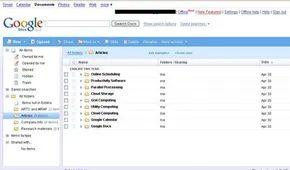
Let’s take Google as an example. They didn’t invent this concept, but Google Docs brought it into the mainstream. This is a set of web-based productivity tools. Are they as feature-rich as the desktop giants? No. It doesn’t have all the lesser-known features you need for complex modeling. But they offer something else. Something that radically changes the way we work.
The biggest change is location independence. Not installed. No download required. You don’t need to worry about the version of the file you are viewing. Open your browser. You access the file. It’s there. Since the document is in the cloud, the “current version” doesn’t matter. This is true. Files are instantly updated wherever you are.
And then there’s the collaboration aspect. This is where it gets interesting.
Multiple people can edit the same document at the same time. No more email attachments. No more “Final_Final_v2.docx.” This is online collaboration. It streamlines teamwork in a way that desktop software never could. The system also saves previous versions so you don’t accidentally destroy your work. You can always revert.
This changes the psychology of document management. You no longer have to think of files as static objects that are locked. You begin to think of them as living projects. Project managers spend less time coordinating versions. They spend more time working.
But how does it work in practice? What happens if three people write at the same time? Is it safe?
Let’s take a closer look.
Thanks to Google’s Jonathan Rochelle and Leon Kotlyar for their help with this article.


