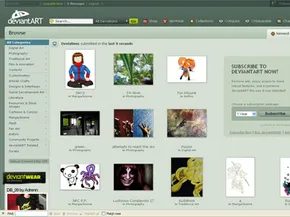
Digital creators used to be isolated. Now they have an army of peers. The web didn’t just give artists a portfolio; it gave them a crowd. At the center of this massive gathering is deviantART. It is one of the largest artistic communities on the internet. The site boasts over nine million members. They call themselves “deviants.” Every single day, these users upload more than 100,000 videos and photographs.
The name might suggest a focus on digital art. It does not. The platform covers almost every creative medium known to humans. You will find photography and film. There is also animation and poetry. Traditionalists can post sculpture, pottery, painting, and drawing. Members upload images or video files of their work. These uploads go into personal galleries. Guests and other members can browse them. It is a simple mechanic for a complex ecosystem.
deviantART is not static. It changes constantly. This evolution satisfies current users while attracting new ones. Interaction is built into the core of the experience. You can leave comments on artwork. You can join discussion forums. You can engage in real-time chat. The site itself functions like a living piece of art. It transforms from a fledgling hobby site launched in Hollywood in 2000 into a premier online destination.
Behind the scenes, the operation is heavy. The platform requires 50 employees. A group of dedicated volunteers also keeps the lights on. Their combined effort maintains a vibrant community. Both artists and art lovers benefit from this infrastructure. The site has become a key hangout for creative types. It serves them in ways that other social networks do not.
The Mechanics of Creative Sharing
How does a user actually engage with the platform? It starts with uploading content. The process is designed to be accessible. Users create personal galleries. These spaces act as portfolios. They display the results of creative labor. But the value lies in the connection. The site facilitates interaction. Comments allow for direct feedback. Forums enable broader discussions. Real-time chat provides immediate dialogue.
The platform handles a massive volume of traffic. Ninety thousand uploads daily is not a small number. It requires robust infrastructure. The staff and volunteers work to ensure stability. They manage the growth of the community. This support system allows the site to scale. It maintains quality despite the sheer volume of content.
Why This Matters for Digital Creatives
For artists, visibility is everything. deviantART provides a stage. It is not just a storage space. It is a social network. The ability to share work with millions of eyes changes the game. It allows for networking. It enables collaboration. It creates a sense of belonging.
The site’s evolution reflects the changing nature of digital art. It started with photography. It expanded to include film and animation. It now encompasses traditional crafts as well. This breadth makes it unique. It is not niche. It is comprehensive. It serves as a hub for all types of creators.
The human element remains central. Despite the technological complexity, the goal is connection. Artists need to know their work is seen. They need feedback. They need community. deviantART delivers this. It has grown from a small Hollywood startup into a global phenomenon. The community continues to expand. The tools continue to improve. The result is a
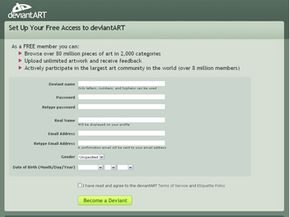

Creating an account is the first step. You pick a username that separates you from the millions of other artists. This choice defines your custom URL: http://username.deviantART.com. Simple enough.
Your login details control everything. They unlock your personal gallery of artwork, known as deviations. They also give you access to settings. You can build a profile that shows who you are. Upload a deviantID image to sit next to your name. Add details in the Devious Info section. List your favorite bands. Name the artists who inspire you.
You also get a Journal. It is basically a blog. Write about your art. Write about anything.
Your profile highlights your newest uploads for anyone who visits.
That Newest section is front and center. Visitors see your latest work immediately. If they like it, they click +deviantWATCH. This is the site’s version of bookmarking. Your watchers appear in a list. They get notified every time you upload something new.
You can watch other users, too. Add interesting pieces to your Favorites section. The interface lets you click and drag images directly into that list. Your favorites show up on your profile. Other users see what you like. You can find the artist later.
Customization is where the platform gets deep. Oodles of modules let you swap content in and out of your page. Add a Collections module to organize work by project. Bring in News. Polls. Webcams. Twitter feeds. Visitor stats. You control the depth of information you share.
Why pay for a membership?
It works like other social networks. You can pay monthly or yearly for extra features. Feedback is key for artists. That makes Critiques one of the most important paid tools. You can solicit in-depth observations on a specific piece. You can also write critiques for others. It helps everyone hone their craft.
The site has massive infrastructure costs. Storing digitized artwork takes hard disk space and bandwidth. deviantART pays substantial bills for that infrastructure. They offset those costs with banner ads on many pages. Basic membership is free, but it includes ads. Paid members browse ad-free.
There are more perks for subscribers. Apply journal skins to personalize your blog. Access visitor statistics for your gallery. Test unreleased features in beta. Start polls. Sell prints through the online store. The site takes a percentage of your earnings, but you keep most of it.
Exposure is the biggest benefit. You join a community. Site administrators post Daily Deviations each day. These are hand-selected works from artists who create unique things and actively participate. Just having your best work online matters. It lets you show off skills to potential employers. Or fans with deep pockets who love interesting art.
More profile views don’t guarantee accolades or paid work. But marketing-savvy artists use the interactive networking features to increase traffic. They can even use embedded paid advertising links.
Membership lets you join DEVmeets. These are offline gatherings. Deviants meet. Network. Brainstorm projects in person.
Copyright, Criticism, and the Community Reality
You don’t upload art to deviantART just to hoard it. You do it because the community is massive, and that volume of shared information is where real improvement happens. But that same scale creates a trap. You can get lost in the sheer weight of features. Worse, there are people who exploit that naivety. They don’t see an artist. They see content to steal.
Copyright enforcement is the biggest headache.
It’s simple physics. You upload a high-res file. Someone downloads it. Now that file is on their hard drive. From there, anything goes. Commercial use? Sure. Alteration? Go ahead. You can fight back by downsizing images or slapping on watermarks. But there is a trade-off. Lower quality means less detail. Watermarks obscure the work. You lose the very thing you want people to appreciate.
The site doesn’t police this for you. It relies on members to report infringement. You have to know the copyright policy. You have to know the steps to take if someone steals your work. It’s proactive. Passive hope won’t protect your intellectual property.
Then there’s the human element.
Social networks, real or virtual, attract people who hide behind anonymity to tear others down. deviantART is no different. The community is too big to filter out every jerk. You will encounter unproductive criticism. It’s inevitable. The standard advice from the community’s veterans is simple: give more positive feedback than you take. It creates a feedback loop. Kindness breeds kindness.
Despite the noise, the tools are there. They’re useful. They’re robust. You just have to know how to navigate the sprawl.
Frequently Answered Questions
What is DeviantArt used for?
It is primarily an online community for artists. Users share their artwork, seek inspiration from others, and connect with a global network of creators.
Related Resources
- How social networks influence honesty and behavior
- Understanding the mechanics of social networking sites
- Strategic tips for using Twitter effectively
- A breakdown of niche social networks
- Privacy boundaries: What not to share online
Sources
- BusinessWeek. “Company Overview.” (May 25, 2009)
- Cohn, David. “Deviants Descend on Tinseltown.” Wired. June 21, 2005.
- deviantART. “Copyright Policy.” (June 10, 2009)
- deviantART. “Forum.” (May 25, 2009)
- deviantART. “Help & FAQ.” (May 25, 2009)
- Examiner. “adidas Originals and deviantART Launch Social Network Integration.” May 5, 2009.
- Greben, Deidre Stein. “Cool 2 Know, deviantART.com.” March 1, 2006.
- Hefflinger, Mark. “Online Art Community deviantART Hits 50 Million Submissions.” Digital Media Wire. Feb. 19, 2008.
- LinkedIn. “Company Profile.” (May 25, 2009)