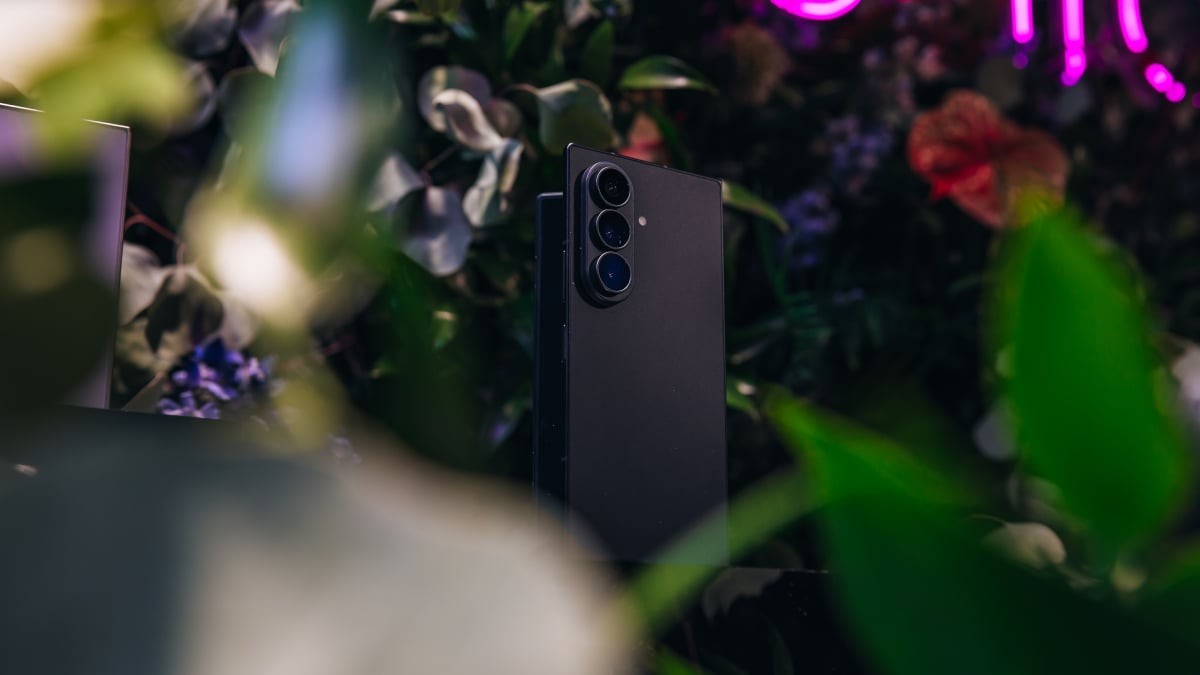
Samsung didn’t hold back. During its Galaxy Unpacked event in London, the company finally pulled the curtain back on the Samsung Galaxy Z Fold 8 Ultra. This isn’t just another foldable iteration. It’s the latest entry in a naming convention that’s getting increasingly confusing for consumers who just want a better phone.
The Samsung Galaxy Z Fold 8 Ultra succeeds the Z Fold 7, while a separate, wider-bodied device carries the simpler “Z Fold 8” moniker. Let’s stick to the Ultra. It is the heavy hitter. The most expensive. The one that screams “buy me if money is no object.” And honestly? It has the hardware to justify the ask, at least on paper.
The numbers behind the new flagship
The leaks were right. Again. Samsung delivered on almost every rumor regarding the internals. The centerpiece is the Snapdragon 8 Elite Gen 5 specifically tuned for Galaxy. It’s paired with 12GB to 16RAM and up to 1TB of storage. But the real story here is the physical footprint.
Despite the massive internal components, the device is thinner than ever. When unfolded, it sits at a slender 4.1mm. Folded? 8.9mm. Here is the full spec sheet for those tracking the upgrades:
- Inner Display: 8-inch AMOLED, 120Hz refresh.
- Outer Display: 6.5-inch AMOLED, 120Hz.
- Camera System: 200MP main sensor, 50MP ultrawide (huge jump), 10MP selfie.
- Battery: 5,000mAh cell.
- Charging: 45W wired. 20W wireless.
- Colors: Violet shadow, graphite, cream, and green shadow.
Why the Z Fold 8 Ultra actually matters
Battery life was the Z Fold 7’s Achilles’ heel. A 4,400mAh battery simply wasn’t enough for the screen size and processor power. Samsung fixed this by stuffing a 5,000mAh unit inside. It’s a significant step up. For heavy users, this might be the difference between surviving the day or hunting for an outlet by 3 PM.
Then there are the cameras. The ultrawide lens doubled from 12MP to 50MP. It’s a small change in isolation, but it brings the Z Fold 8 Ultra closer to the professional imaging capabilities found in the Galaxy S26 Ultra. Add 8K video recording to the mix, and you’re looking at a device that can actually handle content creation workflows.
But the most tangible change is under the hinge. Samsung introduced Flex Titanium. The result? The crease is practically invisible. We tested it. Five years ago, this would have been science fiction. Now, it’s just Tuesday. The hinge feels more durable too. It doesn’t creak. It doesn’t wobble. It just works.
Software tricks and the AI angle
Hardware isn’t everything. Samsung is leaning hard into Galaxy AI with two new features that actually solve problems:
- My Fan Cam: AI editing that converts horizontal video to vertical. It can isolate a specific performer from a crowd. Great for social media.
- Cine LUTs: Four presets that give amateur videos a cinematic look. No color grading degree required.
These aren’t gimmicks. They are tools. And for the right user, they add genuine utility.
The catch? The price
Here is the hard truth. The Samsung Galaxy Z Fold 8 Ultra starts at $2,099. You can’t sugarcoat that. It is a $100 increase over the previous generation. That hurts.
Samsung is offering financing through a new credit card, but that’s just shifting the pain. Most shoppers will blink when they see that tag. Is it worth it? If you are on the fence between the Z Fold 8 (standard) and the Ultra, the answer is nuanced. The Ultra offers better cameras, thinner design, and the titanium hinge. The standard model saves you money but lacks those refinements.
When and where to buy it
Pre-orders are live now. The device launches on August 7. If you are buying it, do yourself a favor and pick the 512GB version. You won’t regret it when 8K video fills up your storage.
Is this the endgame for foldables? Not yet. Rumors suggest Apple’s iPhone Fold Ultra is coming in September. But right now? This phone owns the hill. For better or worse. The technology is undeniable. The price is the only thing standing between you and the future of foldable computing.