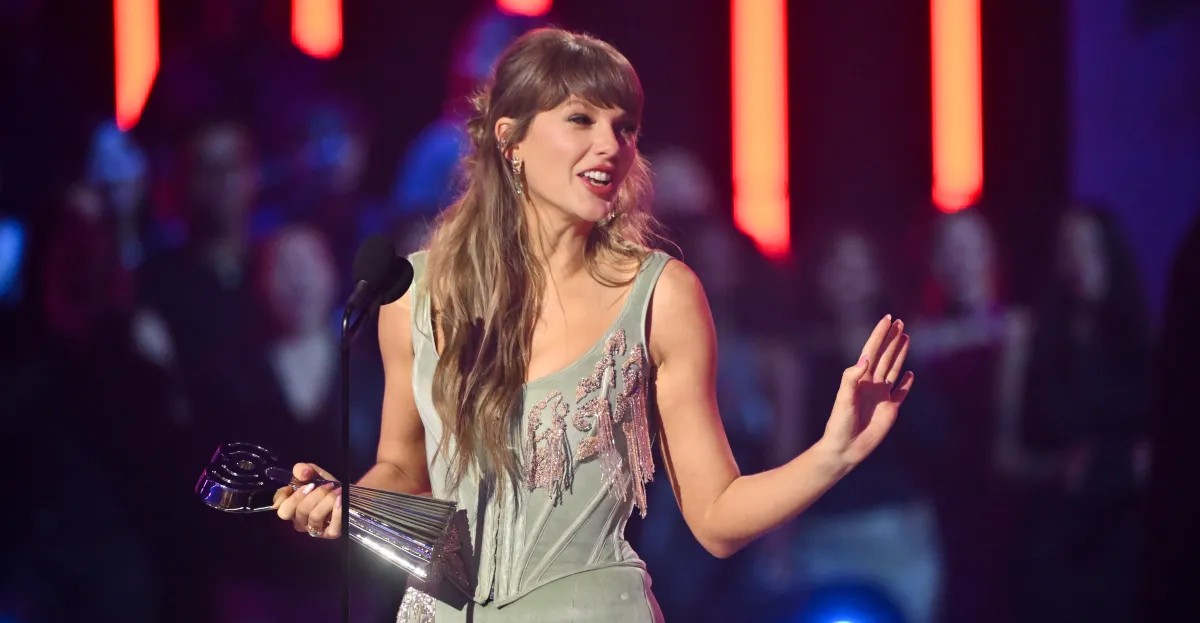
Scammers are increasingly leveraging sophisticated artificial intelligence to impersonate global superstars like Taylor Swift and Rihanna, using their likenesses to trick users into fraudulent schemes. According to the authentication firm Copyleaks, these deepfake advertisements are proliferating on TikTok, often mimicking legitimate media environments to gain user trust.
The Anatomy of the Scam
The fraudulent ads are designed to look highly convincing by using manipulated footage of celebrities in familiar, high-authority settings. Common tactics include:
- Mimicking Authentic Settings: Scammers use AI to place celebrities in simulated red carpet interviews, podcasts, or talk show segments.
- Promising “Easy Money”: Most ads promote deceptive rewards programs. They claim users can earn significant income simply by watching TikTok videos or providing feedback on content.
- Impersonating Official Branding: Some ads incorporate official TikTok logos to create a false sense of security, redirecting users to third-party sites designed to harvest personal data.
In specific instances, an AI-generated Taylor Swift has been seen “promoting” a non-existent feature called TikTok Pay, while a deepfake of Rihanna has been used to claim that users can earn money just by “watching content and giving an opinion.”
A Growing Crisis for Social Media Platforms
This trend highlights a systemic struggle within the tech industry: the rapid advancement of AI is outpacing the moderation capabilities of major social platforms.
The issue is not confined to TikTok. The scale of the problem across the digital landscape is massive:
– Meta (Instagram and Facebook): Reports indicate that users are exposed to billions of scam ads daily. Meta’s own oversight board has formally acknowledged the platform’s struggle with deepfake content.
– YouTube: The platform has stated it is “investing heavily” in technologies to detect and combat celebrity-themed scams.
The core of the problem lies in the “convincing” nature of modern deepfakes. As generative AI becomes more accessible, the barrier to creating high-quality, deceptive content drops, making it harder for automated filters and human moderators to distinguish between a real celebrity endorsement and a malicious fabrication.
The Celebrity Response: Legal Protections
As digital impersonation becomes more sophisticated, celebrities are moving beyond simple takedown requests and toward proactive legal defense.
Recently, Taylor Swift filed new trademark applications specifically for clips of her voice. This move represents a strategic attempt to establish legal ownership over her vocal likeness, providing a stronger framework to fight “AI copycats” and unauthorized voice cloning in court.
The rise of celebrity deepfakes marks a shift in digital fraud, moving from simple phishing attempts to highly polished, AI-driven psychological manipulation that exploits the trust users place in famous figures.
Conclusion: As AI technology makes deepfakes increasingly indistinguishable from reality, the responsibility for defense is shifting toward a combination of platform-wide moderation, new legal trademarks