A humanoid robot named Flash has just shattered a world record, signaling a massive shift in the technological landscape. During a recent half-marathon in Beijing, Flash completed the 13.1-mile course in just 50 minutes and 26 seconds.
To put that performance in perspective, the robot outperformed the human world record holder, Jacob Kiplimo, by nearly seven minutes, maintaining an incredible average speed of under four minutes per mile.
A Leap in Robotic Performance
The progress made by these machines is nothing short of exponential. Just one year ago, the winning robot in a similar half-marathon took nearly three hours to complete the same distance. Flash’s performance represents a dramatic leap in speed, balance, and mechanical efficiency.
While humans and robots ran side-by-side during the event, they were separated by safety barriers—a reminder that while these machines are becoming faster, they are still operating in a controlled environment.
Why a Phone Manufacturer is Building Robots
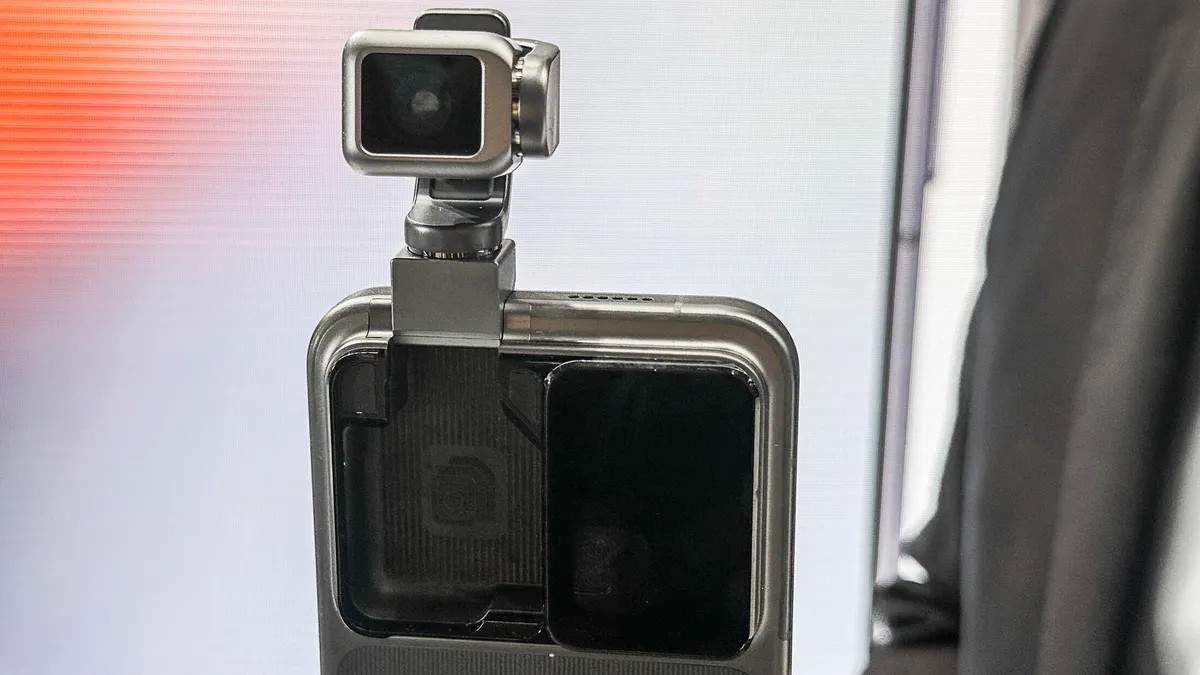
The most surprising aspect of this achievement is the manufacturer behind the machine: Honor, a prominent Chinese smartphone company. This isn’t an isolated experiment; Honor has made a strategic pivot toward robotics, recently showcasing both a “robot phone” and humanoid models at the Mobile World Congress.
This transition makes sense when you look at the “DNA” of the products. Smartphones and humanoid robots share a nearly identical technological foundation:
– Advanced Computing: High-speed processors to manage complex tasks.
– Sensory Arrays: Sophisticated cameras and sensors for environmental awareness.
– Hardware Miniaturization: The ability to pack immense power into small, efficient spaces.
Honor noted that their expertise in thermal management, lightweight structures, and hardware reliability —skills honed in the consumer electronics sector—provides the essential groundwork for stable, mobile humanoid robots.
The Broader Industry Trend
Honor’s move is likely a harbinger of a larger industry shift. We are seeing a convergence of consumer electronics and robotics driven by two main forces:
- The Tech Arms Race: Major players are already eyeing the field. Reports suggest Apple is working on home robotics, and the hardware required for a high-end smartphone is increasingly similar to the “brain” of a robot.
- Geopolitical Strategy: The Chinese government has officially designated the development of humanoid robots as a top priority in its latest five-year plan, providing a massive tailwind for domestic companies to innovate.
As smartphone markets reach saturation, robotics offers a new frontier for growth, turning mobile hardware expertise into physical, autonomous presence.
Conclusion
Honor’s record-breaking run marks more than just a feat of engineering; it signals the beginning of an era where the line between consumer gadgets and autonomous machines begins to blur. As hardware matures, the jump from the palm of your hand to a humanoid companion may be shorter than we think.