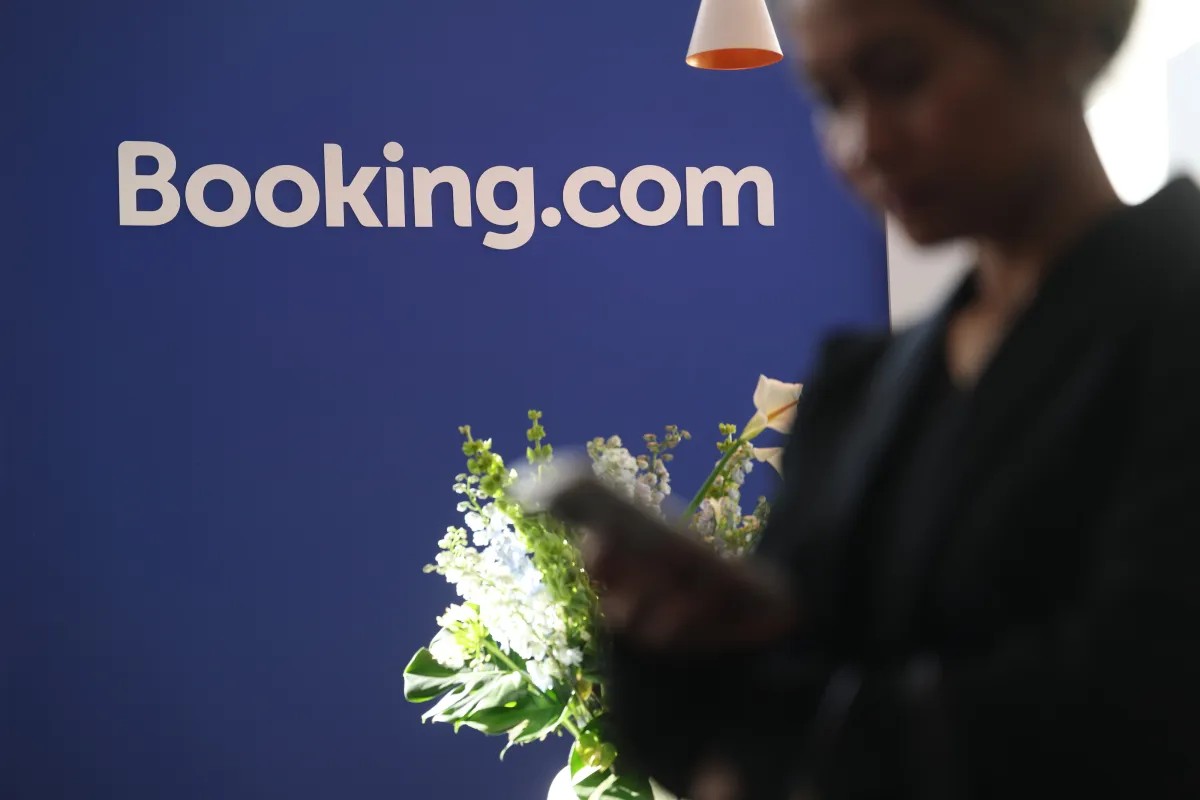
Booking.com has confirmed that unauthorized third parties successfully accessed customer booking information, raising significant concerns regarding the security of personal data within the global travel industry.
The Scope of the Breach
Following reports from users on platforms like Reddit, the travel giant officially acknowledged that hackers gained access to specific reservation details. According to company notifications, the compromised data includes:
– Full names
– Email addresses
– Phone numbers
– Specific booking details
– Information shared directly with accommodations
While the company has clarified that financial information was not accessed and physical addresses remained secure, the breadth of the stolen data presents a significant risk for identity theft and targeted fraud.
From Data Theft to Active Phishing
The breach is not merely a passive leak of information; it is already being weaponized. One customer reported receiving a phishing message via WhatsApp that contained highly specific booking details and personal information.
This indicates a dangerous trend where hackers use stolen data to create “hyper-personalized” scams. By referencing actual travel dates or reservation numbers, attackers can pose as legitimate company representatives, making their fraudulent messages much harder for the average user to detect.
The Company’s Response
A spokesperson for Booking.com, Courtney Camp, stated that the company detected the suspicious activity and took immediate steps to contain the issue. To mitigate further unauthorized access, the company has:
1. Updated PIN numbers for the affected reservations.
2. Notified the impacted guests directly.
However, the company has remained tight-lipped regarding the scale of the incident, declining to specify exactly how many customers were affected by the breach.
A Growing Pattern of Cyber Threats in Travel
This incident does not exist in a vacuum. The travel and hospitality sector has become an increasingly attractive target for cybercriminals due to the sheer volume of sensitive personal and logistical data processed by these platforms.
Earlier in 2024, reports highlighted a different but equally concerning trend: the use of “stalkerware” (consumer-grade spyware) to infect hotel computers. In those instances, hackers captured screenshots of administration portals, effectively spying on the booking process itself.
With Booking.com having facilitated 6.8 billion bookings since 2010, even a localized breach can have massive implications for consumer trust and digital security protocols across the entire industry.
Summary: While Booking.com has contained the immediate breach and secured affected reservations, the theft of personal contact details has enabled sophisticated phishing attacks, highlighting the ongoing vulnerability of traveler data to targeted fraud.