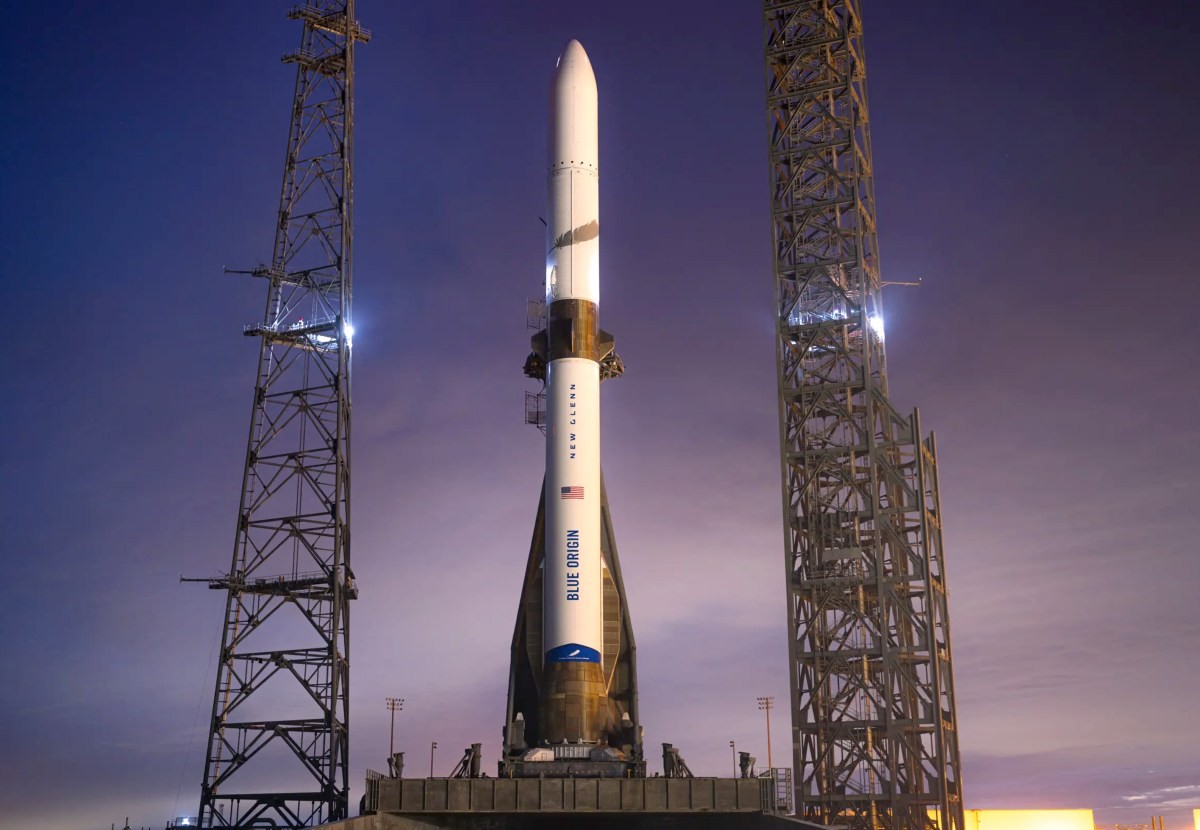
Blue Origin’s ambitious expansion into the heavy-lift launch market has hit a significant roadblock. Following a mission failure this past Sunday, the Federal Aviation Administration (FAA) has ordered a formal investigation into the New Glenn rocket, effectively grounding all future New Glenn launches until the probe is complete.
The Mission: A Mixed Result of Success and Failure
The launch was intended to be a milestone for Blue Origin, demonstrating the company’s ability to compete in the high-stakes era of reusable rocketry. The mission saw two major technical achievements:
– Booster Reusability: The company successfully reused a New Glenn booster for the first time.
– Precision Landing: The booster successfully landed on a drone ship in the ocean, a critical step in lowering long-term launch costs.
However, the primary objective—delivering a communications satellite for AST SpaceMobile —ended in failure. While the second stage successfully separated from the booster, it failed to reach the required altitude.
What Went Wrong?
According to Blue Origin CEO Dave Limp, the preliminary assessment suggests that one of the upper stage’s engines failed to produce sufficient thrust.
As a result of this thrust deficiency, the satellite was placed into an orbit much lower than planned. AST SpaceMobile confirmed that the orbit is too low for the satellite to function, leading the company to conclude that the hardware is a “lost cause” and will eventually burn up in Earth’s atmosphere.
The Broader Impact: Industry and Geopolitics
This mishap is more than just a single lost satellite; it carries significant implications for Blue Origin’s standing in the aerospace industry and its relationship with the U.S. government.
1. Competition with SpaceX
The ability to land and reuse boosters is the “gold standard” of modern spaceflight, currently dominated by Elon Musk’s SpaceX. While Blue Origin proved it can land a booster, the failure of the upper stage highlights the immense difficulty of mastering the entire launch cycle. To compete for commercial contracts, Blue Origin must prove that its upper stages are as reliable as they are reusable.
2. National Security and Government Contracts
Blue Origin is currently seeking certification from the U.S. Space Force to carry out national security missions. A prolonged FAA investigation could delay this certification, potentially impacting the company’s ability to secure lucrative government contracts.
3. The Lunar Ambition
Beyond Earth orbit, Blue Origin is heavily invested in NASA’s Artemis-era goals of returning humans to the moon. The company is developing a lunar lander, and any systemic issues with the New Glenn rocket architecture could jeopardize their ability to meet upcoming lunar mission timelines.
Financial and Operational Outlook
For AST SpaceMobile, the immediate financial blow is mitigated by insurance coverage. While the company’s stock dropped over 10% following the news, they remain operational with multiple new satellites nearing completion and existing contracts with other launch providers.
For Blue Origin, the timeline is now uncertain. The company had hoped to execute as many as 12 more New Glenn missions this year, but that schedule is now entirely dependent on how quickly the FAA investigation concludes and how effectively the company can rectify the engine thrust issues.
The failure of the New Glenn upper stage serves as a stark reminder of the technical volatility inherent in heavy-lift rocketry, potentially delaying Blue Origin’s momentum in the commercial and national security sectors.