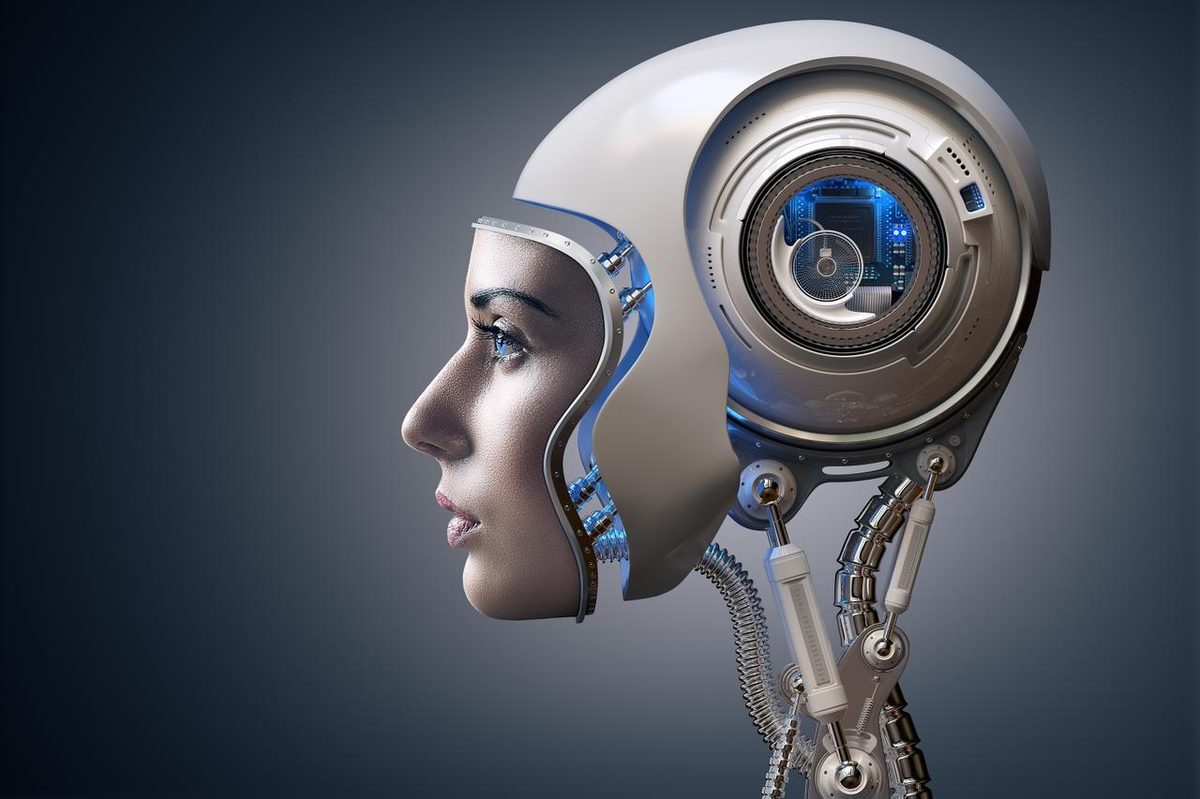
Cyborg. It sounds like a villain from a sci-fi blockbuster, doesn’t it? A clanking, chrome-plated monster. But the reality is far less theatrical and far more medical. The term is a portmanteau of cybernetic and organism. It describes an entity that is part biological and part biomécatronic. That’s a mouthful.
Biomécatronics isn’t just a buzzword. It merges biomechanics, robotics, and medicine. The goal? To integrate mechanical elements directly into organic bodies. Put simply: humans with mechanical or electronic grafts.
Where did the idea start?
Long before Hollywood got involved, writers were playing with the concept. Edgar Allan Poe dabbled with it in 1843. But the actual word? That arrived later. In 1960, researchers Manfred Clynes and Nathan Kline coined the term.
They weren’t writing fiction. They were solving a problem. They imagined humans improved enough to survive hostile extraterrestrial environments. Space travel was hard. The human body wasn’t built for it. They needed a bridge.
The sci-fi filter
Today, we mostly associate cyborgs with futurology and science fiction. You see them everywhere.
- Literature: Frank Herbert’s The Eyes of Heisenberg.
- Comics: DC’s superhero Cyborg.
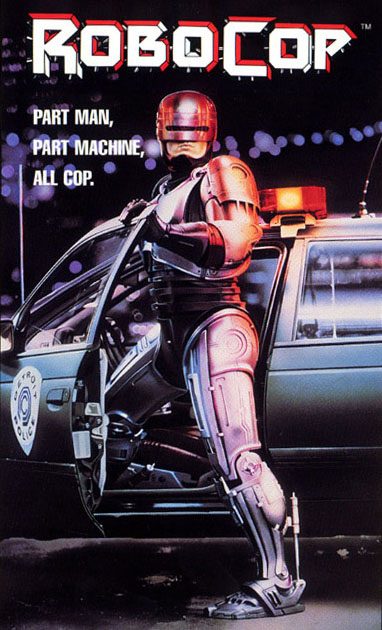
- Film: RoboCop, The Man with the Golden Arm (L’homme qui valait 3 milliards), and the Japanese cult classic Tetsuo.
These stories help us visualize the concept. But they also distract us from the truth. The boundary between fiction and reality is thinner than you think.
You might already be one
Here is the uncomfortable truth: cyborgs exist right now. They aren’t hiding in the shadows. They are walking around with medical devices keeping them alive.
Consider the person with an electronic cardiac stimulator. Or someone with artificial joints. What about systems for drug implantation? Or intra-ocular implants? Even artificial skin counts.
“People equipped with cardiac stimulators, prosthetics, artificial joints, drug implantation systems, intra-ocular implants, and artificial skin can be considered cyborgs.”
It sounds weird. Some might find the term pejorative when applied to patients. But technically? They fit the definition. A human with mechanical or electronic enhancements.
The next time you see someone with a pacemaker, don’t just see a patient. See a pioneer. They are living proof that the concept isn’t coming. It’s already here.
And if you think that makes you a cyborg because of your smartphone in your pocket… well. That’s a debate for another time.
Fiction often treats cyborgs as monsters or superheroes. The reality is far more mundane and far more complex. We aren’t just building characters for movies anymore. We are integrating technology into our biology for repair. For normalization. For pure enhancement. Or simply because the old parts stopped working.
The categories are messy. Sometimes you get a prosthetic to walk again. That’s restorative. Sometimes you get a device to look or act “normal” in a society that demands it. That’s normative. Then there’s the ambiguous stuff. Post-humanism. Reconfiguring what it means to be human. And then there’s improvement. Getting stronger. Seeing more.
Medicine uses this now. Military research leans on it. Even artists are playing with it. The line between science fiction and engineering has blurred.
How does a cyborg actually work?
At its core, a cyborg is a human-machine system. It’s a hybrid. You either control the cybernetic elements voluntarily. Think of a robotic hand. You think “grab,” it grabs. Or you have independent elements. A pacemaker doesn’t wait for your permission. It beats on its own schedule, keeping you alive.
These systems run on mechanics or electronics. Getting them inside you usually requires surgery. It’s not plug-and-play. It’s invasive.
But the tech behind these implants varies wildly. Here are a few specific examples of how this integration looks today.
The “Luke Arm” and sensory feedback
Mobius Bionics created a prosthetic that fans of Star Wars immediately recognized. It’s called the Luke Arm. Named after Luke Skywalker, of course. But it’s not just plastic and metal. It gives the user the sense of touch.
How? Electronic sensors pick up signals from the wearer’s residual muscles. The device translates those electrical impulses into physical movements. You can manipulate multiple joints at once. The control scheme is clever. Users can operate switches with their feet. It’s not just about movement. It’s about feeling the object you’re holding.
Virob: Micro-robots in the bloodstream
Then there is Virob. A micro-robot. It doesn’t walk. It swims. It travels through blood vessels. Its job is precise. It injects a pre-defined dose of medicine directly into a specific organ.
It doesn’t use needles. It uses harmless electromagnetic waves to navigate and function. This is targeted therapy at a scale that was impossible until recently. No more systemic side effects. Just the drug exactly where it’s needed.
Neil Harbisson and hearing color
Not all cyborg modifications are about strength or health. Some are about perception. Neil Harbisson is an artist. He is also colorblind. He couldn’t see the full spectrum of light.
So he built an antenna. It’s mounted at the back of his skull. The antenna picks up light frequencies. It transforms them into vibrations. His brain interprets these vibrations as sound. He doesn’t just see color. He hears it.
“He effectively created a new sense for himself.”
This is the “ambiguous” category of cyborg technology. It reconfigures the human experience. It doesn’t fix a broken leg. It adds a new dimension to existence.
Why does this matter now?
We used to think of androids and cyborgs as distant concepts. They belonged to books and films. Now, they are entities science can actually build. The challenges are huge. Creating the robots of tomorrow requires solving massive engineering and ethical hurdles.
But the foundation is laid. We have limbs that feel. Micro-robots that heal from the inside. Antennas that expand sensory perception. The question isn’t whether we can do it. It’s how far we’re willing to go.
The future of robotics feels familiar. Like something we’ve seen before. But the integration is deeper. More intimate. And once you start modifying the baseline of human capability, where does it stop?
It’s not a cliff. It’s a slope. And we’re already walking up it.