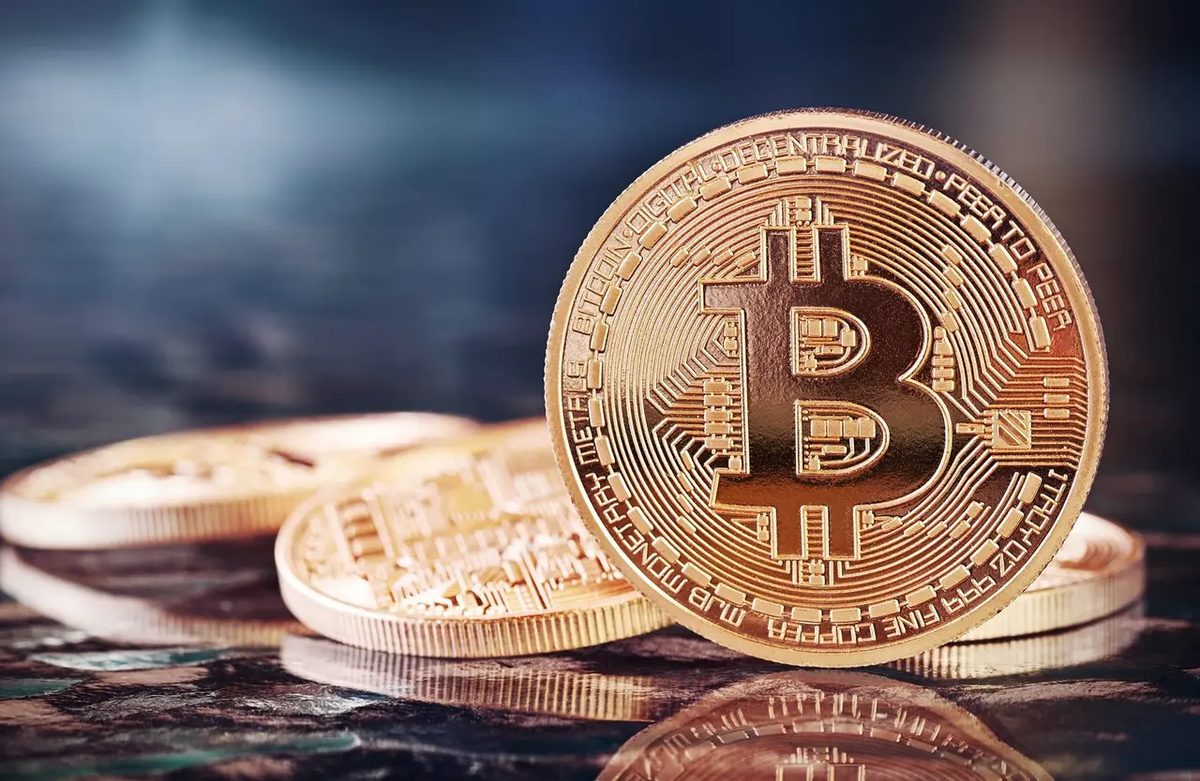
Bitcoin isn’t just digital cash. It’s a protocol. A payment system. A decentralized ledger. The name itself is a contraction of bit and coin, hinting at its binary roots and its role as a piece of currency. But calling it a “coin” feels archaic. It exists only in code, validated by thousands of computers rather than a central bank.
It is the most valuable cryptocurrency by market cap. That’s the headline. The nuance is that Bitcoin is also the blockchain network itself. This network allows for secure, transparent transactions without an intermediary.
The Origin Story and Decentralized Nature
Satoshi Nakamoto invented Bitcoin in 2008. The open-source software was released in 2009. To this day, the identity behind the pseudonym remains a mystery. That anonymity is part of the allure. Part of the problem.
Unlike the euro or the dollar, there is no single authority administering Bitcoin. It runs on a decentralized network of nodes. Every transaction is recorded on a public, secure ledger called the blockchain. You can look up any transaction history. It’s transparent. It’s immutable.
This structure allows you to buy goods and services directly. Many online shops and some physical stores accept it. The main draw? Low transaction fees compared to traditional banking rails.
Why Bitcoin’s Price Is Wildly Unpredictable
The value of Bitcoin is maintained by a process called mining. Volunteers provide computing power to the network. In return, they are rewarded with newly minted bitcoins. The software adjusts the complexity of these calculations based on how many miners are active. More miners mean harder math.
This mechanism keeps the system running. It also creates a highly volatile asset.
The strength of Bitcoin is also its weakness: the lack of a unified legal framework.
Look at the numbers. In 2011, one bitcoin cost about €4.15. By December 2013, that same coin was worth €860. In December 2017, it hit €16,000. Then came the crash. Then the rise. In November 2021, it touched $68,000.
Why does it move so much? Nobody knows for sure. It’s driven by speculation, adoption rates, and macroeconomic factors. The price varies significantly between exchanges. Some platforms show prices thousands of dollars apart. Bitwise Asset Management even published studies suggesting a massive portion of trading volume might be fake, which distorts price discovery.
Legally, it’s a mess. Russia has banned it. The US and France are still figuring out how to regulate it. Since it’s international, local laws create huge disparities. You can buy it in yen or yuan, and Asian markets often show strong interest.
How to Buy Bitcoin Without Losing Your Shirt
Buying Bitcoin requires an account on a cryptocurrency exchange. There are hundreds globally. Some are user-friendly. Others are complex.
You’ll typically fund your account via bank transfer or credit card. But before you click “buy,” remember this: it’s a high-risk investment.
The market has unpredictable troughs. When the price crashes, there’s no safety net. Diversification is usually recommended for crypto portfolios because volatility is extreme.
Check multiple exchanges before buying. The spread can be massive. Don’t assume the price on one platform matches another. The calculation methods for transaction averages aren’t standardized across the industry.
Converting Bitcoin Back to Cash
Once you own Bitcoin, you need a way to spend it or convert it to fiat currency like euros or dollars.
Your first option is a crypto credit card. These cards let you spend Bitcoin directly at merchants. It’s a simple way to convert crypto into everyday spending power. These cards are becoming more common.
Your second option is to sell on an exchange and withdraw to a bank account. This is the standard route for realizing profits.
For those who value anonymity, Bitcoin ATMs exist. They are installed in many countries. You insert cash, receive Bitcoin on your wallet. You send Bitcoin, get cash. It’s fast. It’s anonymous. It’s also often expensive in fees.
The ecosystem is growing. Adoption is creeping into mainstream finance. But the rules are still being written. The price will likely keep swinging. If you’re in, stay aware. If you’re out, keep watching.