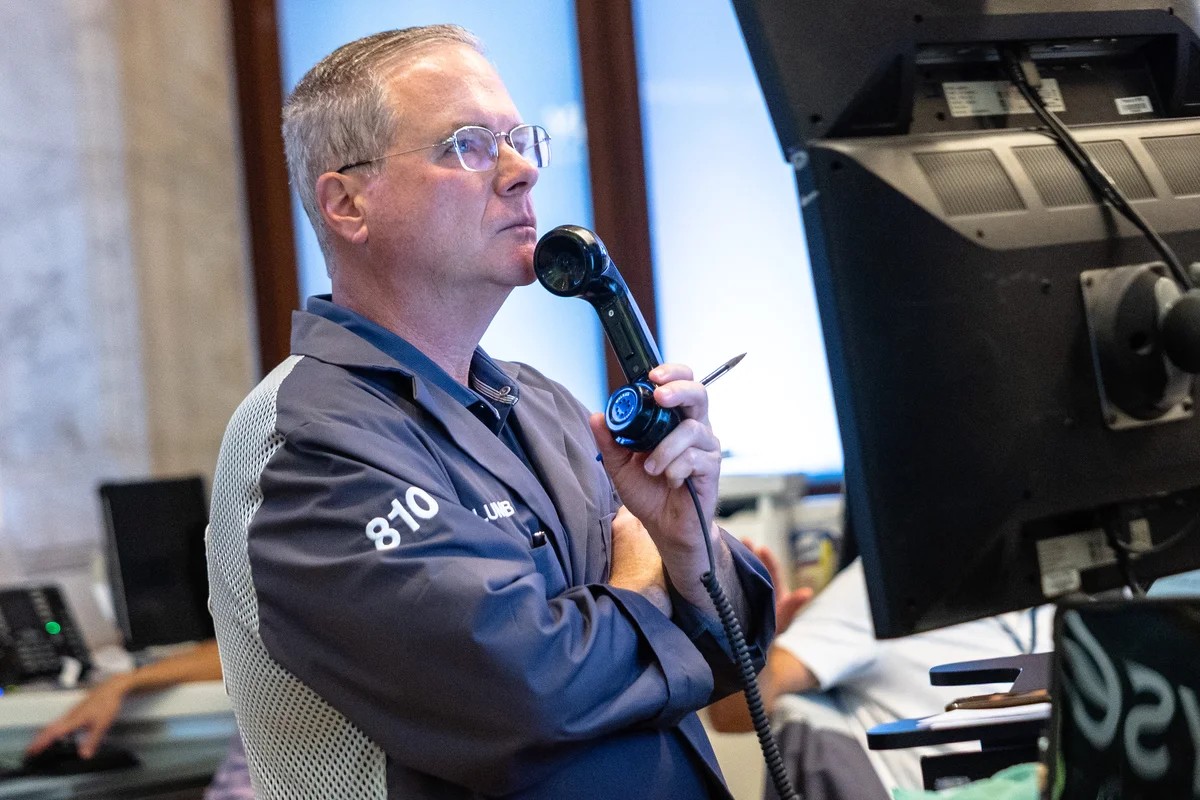
The party is over. At least for now.
Tech stocks are bleeding. The S&P 500 took a hit, and the Nasdaq? It looked like a crime scene this morning. Investors aren’t just nervous; they are actively fleeing the party because the AI bubble narrative feels less like a golden ticket and more like a trap.
We spent the last year worshipping at the altar of artificial intelligence. Now, the altar is cracking.
Why Are Chip Stocks Dropping?
It’s simple. People spent too much.
Investors realized that the scale of spending on AI infrastructure is massive. The question on everyone’s mind isn’t whether the tech is cool. It is whether the cash burning in these servers will actually print money for shareholders.
“It does feel very much a chip stock-driven move, just sort of hurting sentiment broadly,” said Fiona Cincotta from City Index.
She’s right. The Semiconductor Index fell 1.8%. This was its worst week since March, shedding more than 20% off its late June high. Nvidia, the kingmaker, dropped 1.4%. When the heavyweight falls, the whole room shakes.
But there was a silver lining for Apple. The iPhone maker actually gained value. This tiny uptick allowed Apple to briefly snatch the crown of the world’s most valuable company from Nvidia. The throne changed hands. It was fast, brutal, and efficient.
Can Open-Source Models From China Kill US Dominance?
This isn’t just about pricing. It’s about geopolitics.
Chinese startup Moonshot just dropped Kimi K3. It claims to be the world’s largest open-weight AI model, packing 2.8 trillion parameters. For the US, this is a problem. We like having the advantage. When a competitor in China builds something that rivals the performance of Anthropic or OpenAI, panic sets in.
Angelo Kourkafas at Edward Jones put it plainly. Competition from open-source models is raising fears. Those fears started in Asia. Now they are spreading here.
“The latest development is the competition from open-source models in China,” Kourkafas said. “Potentially, that is contributing today to some… weakness.”
Is AI Stock Investment Worth The Risk Right Now?
Not if you want quick returns. The volatility gauge—the VIX—rose 1.3 points to 18. Here’s what moved the market on Tuesday morning (local Eastern time):
- Dow Jones: Rose a negligible 0.01%. It basically didn’t care.
- S&P 500: Lost 0.58%. Painful but survivable.
- Nasdaq Composite: Down 1.25%. A significant chunk lost.
The Nasdaq hit a three-month low earlier. It tried to recover, cutting losses, but the fear is still there. Netflix didn’t help. The streaming giant forecast results below what Wall Street expected. Shares tanked 9%. That weighed heavily on the whole communications sector, which dropped 2.4%.
Other Movers
Intuitive Surgical got clobbered too. Shares slid 11.4% because their da Vinci surgical robots aren’t growing as fast as hoped. Insurance changes might be delaying patient care. A weird side effect, but it hurts the bottom line.
Meanwhile, the US-Iran conflict is adding background noise. The US struck targets in Iran. Iran hit back at facilities in Kuwait. Oil prices might jump. US consumer sentiment is actually high, sitting at a five-month peak in July. But that won’t last if gas prices spike again.
What Happens Next
There are no easy answers. Declining issues outnumbered advancing stocks by 1.2-to-1 on the NYSE. On the Nasdaq, the ratio was worse at 1.5-to-1. The selling is widespread.
Investors are retreating. They are stepping away from the crowded trades. They want to see results, not just hype. If the chips don’t pay off, the models don’t matter. If the spending doesn’t yield profit, the bubble pops.
It feels like a correction. Or maybe just a warning. The money is leaving. Where it goes next remains the real mystery.